A roof quietly protects your home through every season. It stands up to heavy rain, strong winds, bright sunshine, and changing temperatures without asking for much attention. Because of that, many homeowners only think about their roof after they notice a leak, missing shingles, or water stains on the ceiling.
The truth is that many roof problems begin long before they become visible indoors. A small issue can slowly grow into a larger repair if it goes unnoticed. Regular inspections and prompt attention can help keep your roof in good condition and reduce the chance of unexpected damage.
Modern Roofing USA encourages homeowners to pay attention to early warning signs instead of waiting until a minor concern turns into a major repair. A professional inspection helps identify problems, explains the roof’s condition, and creates a clear plan for the next steps.
What Causes Water Leakage From Poor Slopes?
One of the most overlooked roof problems is water leakage from poor slopes. A roof is designed to guide rainwater away from the home. When water cannot drain properly, it may remain on the surface longer than expected.
Over time, standing water increases the chance of moisture finding its way beneath roofing materials. Even a small amount of trapped water can eventually reach the layers below and affect other parts of the roofing system.
Why Water Leakage From Poor Slopes Should Never Be Ignored
Water that remains on the roof for long periods can gradually weaken surrounding materials. Homeowners may first notice damp spots on ceilings, peeling paint, or discoloration inside the home before realizing the roof is the source of the problem.
A detailed roof inspection helps identify drainage concerns before they lead to larger repairs.
How Can Blocked Internal Gutters Affect Your Roof?
Another common issue homeowners experience is blocked internal gutters. Leaves, small branches, dirt, and other debris can collect inside drainage channels, making it difficult for rainwater to flow away from the roof.
Instead of draining properly, water begins to back up around roofing materials.
Why Blocked Internal Gutters Lead to Bigger Concerns
When gutters remain blocked for long periods, water may overflow into areas that were never designed to handle constant moisture.
Common warning signs include:
- Water overflowing during heavy rain.
- Stains near roof edges.
- Damp areas around exterior walls.
- Plant growth inside gutters.
- Standing water after rainfall.
Keeping drainage pathways clear allows rainwater to move away from the roof more effectively.
Why Does Trapped Heat Affect Roof Performance?
Many homeowners think rain is the biggest threat to a roof, but heat can also create long-term concerns.
Trapped heat develops when excessive heat builds beneath the roofing system instead of escaping naturally. During warmer months, roof temperatures can rise significantly, placing additional stress on roofing materials.
How Trapped Heat Changes Roofing Materials
Constant exposure to high temperatures may gradually affect shingles, flashing, and other roofing components.
Homeowners may notice:
- Roofing materials aging faster.
- Higher attic temperatures.
- Indoor spaces becoming less comfortable.
- Increased stress on roofing components.
A professional inspection helps identify signs that prolonged heat exposure may be affecting the roof.
What Happens When Clogged Internal Drainage Slows Water Flow?
Another issue that often goes unnoticed is clogged internal drainage.
Internal drainage systems help move rainwater away from flat or low-slope roofing sections. When debris blocks these drainage paths, water may collect on the roof instead of flowing away as intended.
Why Clogged Internal Drainage Deserves Attention
Standing water places extra pressure on roofing materials and increases the possibility of moisture entering vulnerable areas.
Routine inspections help identify drainage problems before they create larger roofing concerns.
Can Rain Noise Be a Sign of Roofing Issues?
Most homeowners expect to hear rain during a storm. Sometimes, though, rain noise becomes louder than usual or sounds different than before.
While roofing materials naturally produce some sound during rainfall, sudden changes in noise levels may indicate that part of the roofing system should be inspected.
When Rain Noise Should Be Checked
If rainfall suddenly sounds louder in one section of the home, it may be worth scheduling an inspection to determine if roofing materials have shifted or if another issue has developed.
Although increased noise does not always indicate damage, noticeable changes should not be ignored.
Comparison Table: Common Roof Problems and Their Possible Effects
| Roof Problem | What Homeowners May Notice | Why It Matters |
| Water leakage from poor slopes | Standing water, ceiling stains | Moisture may spread beneath roofing materials |
| Blocked internal gutters | Overflowing gutters, water buildup | Poor drainage can affect surrounding areas |
| Trapped heat | Hot attic, aging roofing materials | Heat places additional stress on the roof |
| Clogged Internal Drainage | Water collecting on the roof | Drainage slows and moisture remains longer |
| Rain Noise | Louder sounds during storms | May indicate changes that need inspection |
How Can Homeowners Spot Roof Problems Early?
Many roofing concerns become easier to address when discovered early. Waiting until water enters the home often means the problem has already progressed.
Watching for small changes throughout the year can help homeowners know when a professional inspection may be needed.
Five signs that should not be overlooked include:
- Water stains appearing on ceilings or walls.
- Missing, cracked, or loose shingles.
- Gutters overflowing during rainfall.
- Standing water remaining on the roof after storms.
- Changes in roof appearance after strong winds or hail.
Regular inspections give homeowners a better understanding of their roof’s condition and help identify concerns before they become larger repairs.
How Does a Roof Inspection Help Identify Hidden Roof Problems?
Many roofing problems remain hidden from view when looking up from the ground. A roof may look fine after a storm, but hidden damage can still be present beneath the shingles or around flashing and drainage areas.
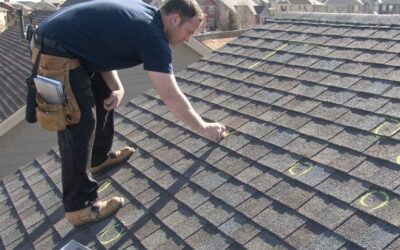
A professional inspection allows roofing specialists to examine areas that homeowners cannot safely inspect themselves. During the process, Modern Roofing USA documents the roof’s condition with photos, checks for visible and hidden concerns, and explains the findings in clear language.
This careful approach helps homeowners understand what needs attention before small issues become larger repairs.
Why Early Inspections Matter
Finding a problem early often gives homeowners more options. A loose shingle, minor flashing issue, or drainage concern can usually be addressed before it affects a larger section of the roof.
When Is Roof Repair Enough?
Not every roof condition demands replacing the entire roofing system. In many situations, repairs are enough to restore the damaged area and protect the rest of the roofing system.
After completing a detailed inspection, Modern Roofing USA explains the condition of the roof and recommends the most suitable solution based on the findings. If repairs can safely resolve the issue, that option is discussed first. If more extensive work is needed, homeowners receive a clear explanation of why.
A Solution Based on the Roof’s Condition
Every roof has a different history, age, and level of damage. Looking at the entire roofing system instead of only the visible problem helps create a repair plan that matches the home’s actual needs.
What Should Homeowners Do After Noticing Roof Problems?
Taking action quickly can help prevent additional damage and make repairs more manageable.
If you notice signs of roofing concerns, these simple steps can help:
- Schedule a professional roof inspection as soon as possible.
- Take note of any visible changes after severe weather.
- Avoid climbing onto the roof yourself.
- Keep records of any leaks or water stains that appear indoors.
- Ask questions during the inspection so you understand the recommended work.
For homeowners searching for experienced roofers in nashville tn, choosing a company that performs detailed inspections, documents roof conditions, and explains every step clearly can make the entire process much easier.
Frequently Asked Questions
Can roof problems develop without a visible leak?
Yes. Some roofing issues remain hidden until moisture reaches the interior of the home. Regular inspections help identify these concerns earlier.
Should a roof be inspected after a hailstorm?
Yes. Hail damage is not always easy to see from the ground. An inspection helps determine if the roofing materials have been affected.
Are blocked drainage systems a serious concern?
They can be. Water that cannot drain properly may remain on the roof longer than intended, increasing the chance of moisture-related damage.
How often should a roof be inspected?
Many homeowners schedule inspections after severe weather or whenever they notice changes in the condition of their roof.
Conclusion
Many roof problems begin with small changes that are easy to overlook. Issues such as water leakage from poor slopes, blocked internal gutters, trapped heat, clogged internal drainage, and unusual rain noise may seem minor at first, but they can become more difficult to address if ignored.
Regular roof inspections help identify these concerns early, allowing homeowners to understand the condition of their roof before damage spreads. Modern Roofing USA supports homeowners with detailed inspections, photo documentation, honest recommendations, and quality workmanship whenever repairs are needed. Paying attention to early warning signs is one of the best ways to protect your home and keep your roofing system performing as expected for years to come.