Heavy rain can put a roof through repeated tests. Water may collect around low areas, strong rainfall can challenge drainage, and poorly sealed roof sections may allow moisture into places that are difficult to notice at first. The right roof type can help manage these conditions when its design, materials, drainage, and installation all work together.
Rainy weather does not mean one roof style will work perfectly for every building. Roof slope, drainage paths, flashing, roofing materials, ventilation, and local weather patterns all have a role. A roof that handles rainfall well needs more than an attractive shape. It needs a design that moves water away efficiently and reduces areas where moisture can remain.
Modern Roofing USA works with different roofing needs and helps property owners understand the condition of their roofing system before repair or replacement work begins. Knowing how different roof designs respond to heavy rain can make roof planning more practical.
What Makes a Roof Suitable for Heavy Rain?
A roof needs a clear path for rainwater. When water reaches the roofing surface, it should move toward the drainage system rather than remain trapped around weak areas.
Roof slope is one important part of this process. Steeper roof surfaces can help rainwater move downward faster, while lower-slope areas need careful drainage planning and properly sealed roofing details.
The shape of the roof also matters. Valleys, roof edges, vents, chimneys, and other openings can create areas where water needs extra control.
A roof suited for rainy conditions usually has:
- A suitable slope for the selected roofing system
- Properly installed flashing around vulnerable areas
- Clear drainage paths
- Well-sealed roof penetrations
- Correctly installed roofing materials
- Gutters and downspouts that move water away
These parts work as one system. A strong roofing material cannot compensate for poor drainage or incorrect installation.
Which Roof Types Handle Heavy Rain Well?
Several roof designs can work well in areas that receive frequent rainfall. The right choice depends on the building, climate, roof structure, drainage needs, and selected materials.
How Does a Gable Roof Handle Rain?
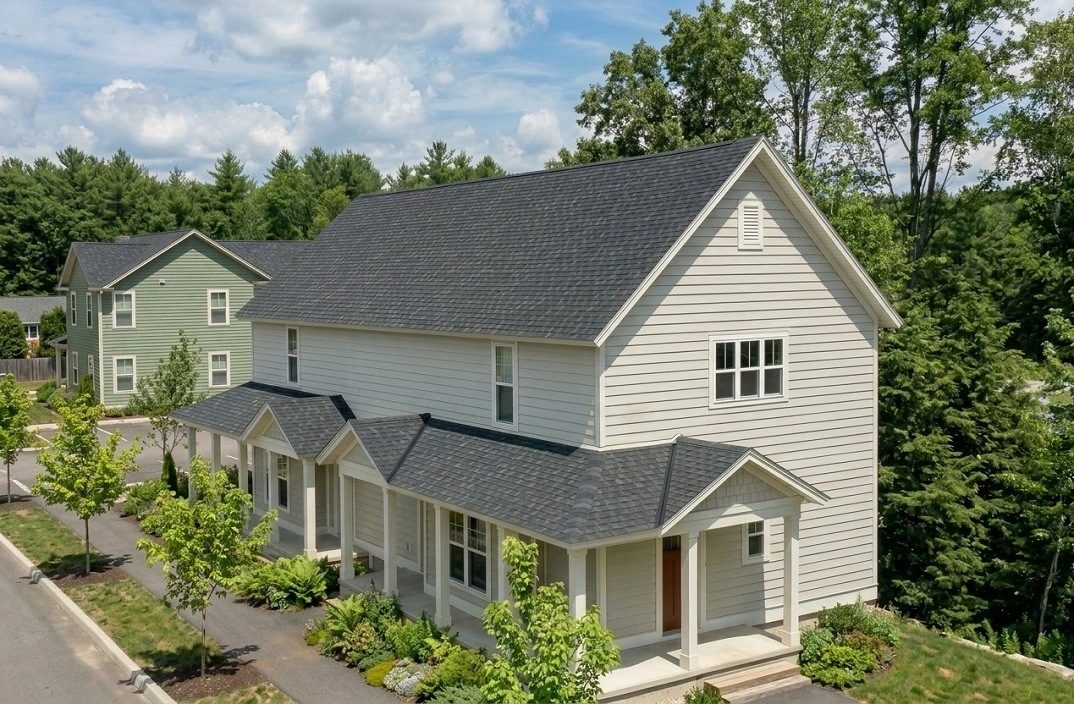
A gable roof is formed by two sloping sides that meet along a ridge. Its simple shape creates broad slopes that can direct rainwater toward the roof edges.
This design can work well in rainy areas when the slope, flashing, drainage, and installation are handled correctly. Water usually moves downward rather than sitting across a large flat surface.
Gable roofs also offer a straightforward structure, which can make drainage planning easier. Still, the roof edges and gable sections need proper protection, especially in locations where heavy rain arrives with strong wind.
Is a Hip Roof a Good Choice for Rainy Weather?
A hip roof slopes downward on several sides instead of having vertical gable ends. This shape can offer useful water-shedding characteristics because several roof surfaces guide rain toward the edges.
Hip roofs can also perform well during storms when the roofing system is properly installed. Their shape can be useful in regions where rain comes with strong winds.
The exact performance still depends on slope, material selection, flashing, drainage, and installation quality. A hip roof is not automatically better simply because of its shape.
Can a Steep-Slope Roof Help During Heavy Rain?
A steeper roof can encourage rainwater to move quickly across the surface. This can reduce the amount of time water remains on the roofing material.
Steep-slope designs are common in many areas with regular rainfall because gravity helps move water toward the edges. Still, steep roofs require careful installation, especially around valleys, flashing, vents, and roof penetrations.
The roofing material must also match the roof’s slope requirements. Each roofing product has installation guidelines that need to be followed.
Why Does Roof Slope Matter During Heavy Rain?
Roof slope has a direct connection with water movement. A roof with enough pitch can help rainwater travel toward drainage points rather than remain on the surface.
A very low-slope area can require more attention because water may move more slowly. Drainage design becomes especially important in these situations.
Roof slope should not be viewed alone. A roof can have a suitable pitch but still experience moisture problems when gutters are blocked, flashing is damaged, or installation details are incomplete.
For this reason, a roofing assessment should look at the entire system instead of judging performance based only on the roof shape.
How Do Roofing Materials Affect Rain Performance?
The material covering a roof also matters. Different roofing products have different installation requirements, drainage characteristics, and weather limitations.
Asphalt shingles are widely used and can perform well in rainy climates when installed correctly. Their performance depends heavily on proper underlayment, flashing, ventilation, fastening, and shingle placement.
Metal roofing can also handle rainfall effectively when properly designed and installed. Water can move across smooth metal surfaces quickly, although seams, fasteners, flashing, and other connections require careful attention.
Other roofing materials can work in rainy climates as well. The important point is matching the material with the roof design and local conditions.
What Role Does Underlayment Play?
Underlayment sits beneath the primary roofing material and adds another layer of protection against moisture. It can be especially useful around areas that receive concentrated water flow.
Roof valleys, edges, and penetrations need careful detailing because these locations can experience more water movement than broad roof surfaces.
Underlayment cannot replace good roofing materials or proper installation. It works as one part of a complete roofing system.
How Do Roof Valleys Handle Heavy Rain?
Roof valleys form where two sloping roof sections meet. Rainwater from both sections can move into the same area, creating a concentrated flow path.
Because of this, valleys need careful installation. Proper flashing and suitable valley details help direct water toward the drainage system.
A damaged or poorly installed valley can become a moisture entry point. During periods of heavy rain, even a small weakness may become more noticeable.
Regular roof checks can help identify damaged materials, loose flashing, or other changes around these areas before water problems become larger.
What Roof Features Help With Heavy Rain?
Roof shape is only one part of rain protection. Several supporting features can help control water and reduce moisture risks.
How Do Gutters Help?
Gutters collect rainwater running off the roof and guide it toward downspouts. This helps keep large amounts of water away from walls, entry points, and areas near the foundation.
Blocked or damaged gutters can interfere with this process. Water may spill over the edges instead of following its intended path.
Why Is Flashing Important?
Proper flashing helps move water away from vulnerable roof joints and transitions. It is commonly used around areas such as roof edges, valleys, vents, and other penetrations.
When flashing becomes loose, cracked, or damaged, rainwater can reach areas that should remain protected.
Can Roof Ventilation Matter During Rainy Weather?
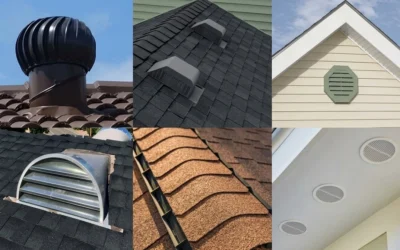
Ventilation has a different role than drainage, but it still matters for the overall roofing system. Proper airflow can help manage moisture and temperature conditions within the roof space.
A roof needs a balanced system where drainage, ventilation, flashing, and roofing materials work together.
Which Roof Type Should Homeowners Choose for Heavy Rain?
There is no single roof type that fits every building or every rainy climate. A gable, hip, or steep-slope roof can perform well when the design matches the building and the roofing system is installed correctly.
The surrounding environment also matters. A location with frequent rain but mild winds may create different roofing demands than an area where heavy rain arrives alongside strong storms.
Homeowners should look at several parts of the roofing system before choosing a design:
- Roof slope and overall shape
- Rainfall patterns in the area
- Wind exposure
- Drainage layout
- Roofing material
- Flashing details
- Existing roof structure
- Maintenance needs
This approach gives a more realistic picture than selecting a roof based only on appearance.
How Can Roof Maintenance Help During Heavy Rain?
Even a well-designed roof needs routine attention. Rain can expose small weaknesses that may become harder to manage when left alone.
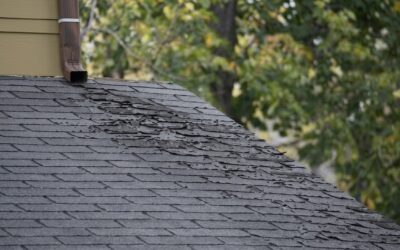
Loose shingles, cracked flashing, blocked drainage, damaged seals, and other roofing problems can interfere with water management. Regular inspections can help spot these issues earlier.
Modern Roofing USA offers roof maintenance services that include semi-annual checkups, cleanings, inspections, and attention to minor roofing concerns. Photos and visual updates can also help property owners understand what was noticed during the visit.
Maintenance is especially useful before seasons that bring frequent rainfall. Addressing a small roofing issue ahead of repeated storms can reduce the chance of water entering vulnerable areas.
When Should a Roof Be Checked After Heavy Rain?
A roof may deserve attention after a period of unusually heavy rainfall, especially when water has entered the building or visible roofing components have changed.
Warning signs can include:
- Water stains on ceilings or walls
- Missing or damaged shingles
- Loose flashing
- Overflowing or damaged gutters
- Damp areas in the attic
- New leaks around roof penetrations
- Water collecting in unusual roof areas
A professional inspection can help determine whether the problem is limited or connected with a larger roofing concern.
How Does Professional Installation Affect Roof Performance?
The roof type and roofing material only work as intended when installation follows the requirements of the system.
Incorrect shingle placement, poor flashing work, exposed fasteners, weak seals, or drainage mistakes can create problems even when the chosen roof design suits a rainy climate.
Modern Roofing USA has GAF Master Elite certification and uses certified installation crews. The company also offers GAF warranty protection, including Golden Pledge Warranty coverage associated with qualifying work.
Proper installation gives the roof a better foundation for handling repeated rainfall throughout its service life.
What Should Homeowners Remember About Heavy Rain?
The best roof type for a rainy area depends on more than shape. Gable, hip, and steep-slope designs can all work well when their slope, materials, drainage, flashing, and installation match the local conditions.
Heavy rain places extra attention on valleys, roof edges, gutters, downspouts, vents, and other areas where water needs a clear path away. A strong roofing system brings these parts together rather than relying on one feature alone.
Modern Roofing USA can assess the existing roof, document conditions with photos and damage assessment, and explain repair or replacement options when roofing problems appear.
Final Thoughts
Choosing a roof for a rainy climate starts with understanding how water moves across the entire roofing system. Roof shape, slope, materials, flashing, drainage, ventilation, and installation all influence performance. Modern Roofing USA reviews can also give property owners another source of customer feedback while researching roofing work. A careful look at the roof’s design and condition can help support a practical decision for areas that regularly experience heavy rain.