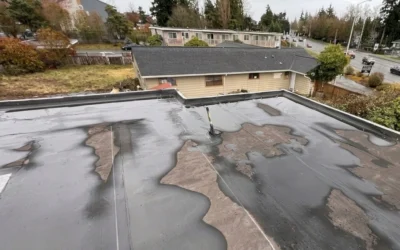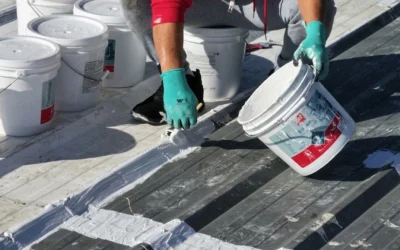
A storm can pass in less than an hour, leaving branches on the ground, water around the property, and a few shingles scattered across the yard. At first glance, the roof may appear unchanged. There may be no visible hole, no ceiling stain, and no water dripping indoors. Yet the roof can still have damage that is difficult to spot without a closer inspection.
This is something worth remembering after severe weather. Not every roof problem creates an immediate leak or an obvious mark. Hail can leave small impacts on shingles, strong winds can loosen roof edges, and heavy rain can push water into places that usually stay dry. Some problems only become noticeable weeks later, when another rainfall exposes the weak area.
At Modern Roofing USA, storm-related roof concerns call for more than a quick look at the shingles. The condition of flashing, roof edges, drainage areas, vents, and other details can help explain what happened during the storm. Knowing where hidden damage may occur can help property owners recognize why an inspection matters, even when the roof still looks normal.
Why Can Roof Damage Stay Hidden After a Severe Storm?
A roof has several layers and connecting points. The outer surface takes the direct impact of wind, rain, and hail, while the materials underneath help keep water away from the structure. Damage to one part may not affect the entire roof immediately.
For example, a shingle can lose some of its protective granules without breaking apart. A flashing joint can shift slightly without leaving an indoor water stain. These small changes may not attract attention during a ground-level check.
Small changes can create larger openings
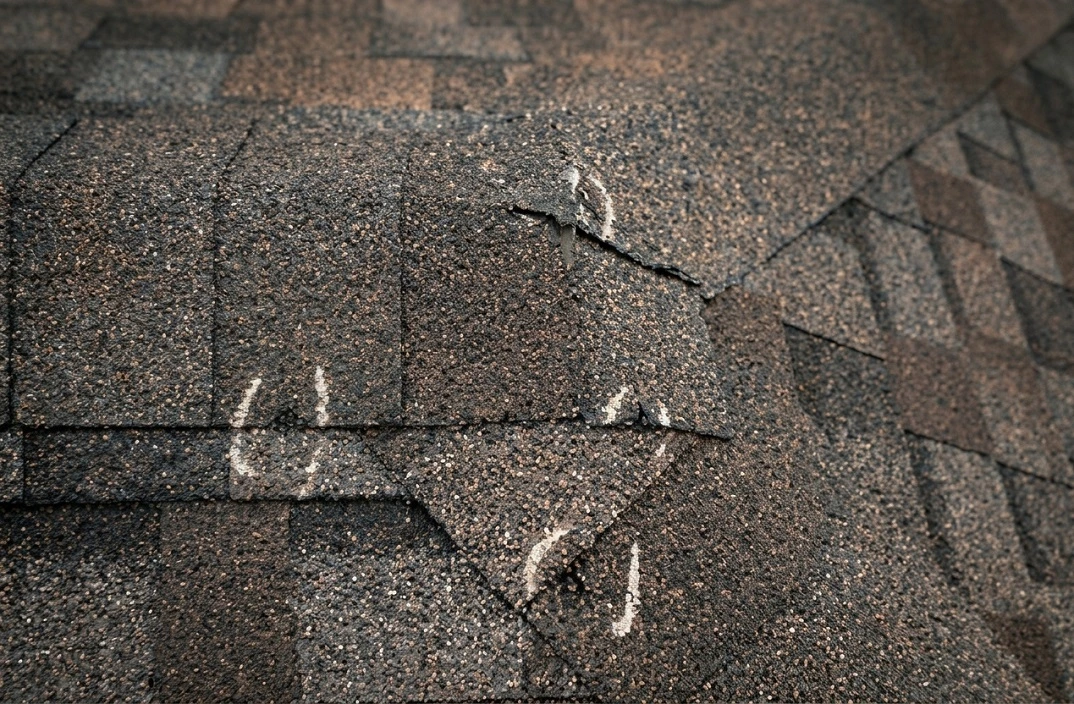
Wind does not need to remove an entire shingle to cause trouble. It can lift an edge, loosen a fastening point, or disturb the seal that holds neighboring shingles together. Once that connection weakens, rain can enter beneath the roofing surface during later storms.
Water may travel before it becomes visible
Water does not always appear directly beneath the damaged area. It can move along roof decking, rafters, or other surfaces before reaching a ceiling. A stain inside a room may therefore appear some distance away from the original opening.
Which Types of Shingle Damage Can Go Unnoticed?
Shingles often receive the most attention after a storm because they form the visible outer layer of many roofing systems. Yet not every form of shingle damage looks dramatic. Some changes are easy to miss unless someone checks the surface closely.
Hail marks and granule loss
Hail can leave dents, bruised areas, or small impact marks on asphalt shingles. In some cases, the surface may lose protective granules. These granules help shield the asphalt layer against sunlight and weather exposure.
A roof may still look complete after hail passes, but individual shingles could have weakened areas. Loose granules in gutters or near downspouts may offer a clue, although they do not confirm hail damage on their own. Granule loss can also occur as shingles age.
Lifted edges and broken seals
Strong wind can damage the adhesive bond between tiles. The shingle may settle back into place after the gusts pass, making the issue difficult to notice from the ground.
The problem is that a lifted edge may leave the area more exposed during the next round of wind-driven rain. A closer inspection can reveal loose corners, creases, cracked tabs, or shingles that no longer sit flat.
Can Roof Flashing Hide Damage After Heavy Rain and Wind?
Flashing is installed around areas where the roof meets another surface or where openings interrupt the roofing material. Common locations include chimneys, walls, skylights, valleys, and plumbing vents.
These areas need careful attention after a severe storm because they contain joints and transitions. Wind can loosen a section, while rain can test a connection that was already weak.
Chimney and wall flashing
A storm may shift metal flashing or disturb the sealant around a chimney or wall. The change might be small enough that it goes unnoticed during a casual inspection.
If water enters through the opening, it may travel behind nearby materials before reaching the interior. Peeling paint, damp drywall, or a musty smell near the affected area can appear later.
Roof valleys and vent openings
Roof valleys carry water toward the drainage system. Heavy rainfall can expose problems in these channels, especially when debris blocks the flow or an existing joint has weakened.
Vents and pipe openings also deserve attention. Their surrounding seals can crack, loosen, or separate during harsh weather. A small opening around one of these features may allow repeated moisture entry.
What Wind Damage Can Affect Beyond the Shingles?
A severe storm can affect more than the visible roofing surface. Wind pressure can place stress on roof edges, ridge caps, soffits, fascia, and other connected components.
The condition of these areas matters because they help protect the roof structure and manage airflow around the building.
Ridge caps and roof edges
Ridge caps cover the highest meeting point of roof slopes. Strong gusts can loosen or shift them, leaving gaps along the roof peak.
Roof edges can also experience lifted materials or damaged metal trim. These areas may be difficult to inspect safely without suitable equipment, especially on steep or multi-level roofs.
Gutters, fascia, and soffits
Storm debris can bend gutters, loosen brackets, or pull sections away from the fascia. Wind can also damage soffit panels beneath the roof overhang.
These issues may appear separate from roof damage, but they can affect how rainwater moves around the building. A detached gutter, for example, may send water toward areas that were not designed to handle that flow.
How Can Heavy Rain Reveal Problems That Were Already There?
Rain does not always create a roof problem. Sometimes it exposes a weakness that existed before the storm. A small gap around flashing, a blocked valley, or a damaged shingle may have remained unnoticed during dry weather.
When rain arrives with strong wind, water can reach areas that ordinary rainfall rarely affects.
Water entering beneath the roofing surface
Wind-driven rain can move sideways or upward beneath loose roofing edges. Once inside, moisture may reach the underlayment or roof decking.
The first visible sign might be a ceiling mark, damp insulation, or a small leak near an exterior wall. In some cases, the affected materials remain hidden until moisture builds up.
Blocked drainage paths
Leaves, branches, and other debris can collect in gutters and roof valleys during a storm. When water cannot move freely, it may collect near roof edges or overflow toward the building.
A drainage issue can also make an existing roof weakness more noticeable. That is why an inspection should include the areas where water gathers, not just the main shingle surface.
What Should an Inspection Check After a Severe Storm?
A useful post-storm inspection looks at the roof as a complete system. Checking only for missing shingles can leave other problems unnoticed.
At Modern Roofing USA, a storm-related assessment should account for the visible condition of roofing materials and the smaller details that may affect water protection. The inspection can include:
- Shingles with dents, cracks, creases, lifted edges, or missing sections.
- Flashing around chimneys, vents, skylights, and wall connections.
- Ridge caps, roof edges, fascia, and soffit areas.
- Storm debris or impact marks on gutters and downspouts.
- Roof valleys where water and leaves may collect.
- Attic areas and ceilings for signs of moisture, when accessible.
Photographs can help document visible conditions and show where closer attention may be needed. If storm damage may be part of an insurance claim, clear records can also help explain the observed condition during discussions with the insurance company. Coverage decisions remain with the insurer and depend on the policy and claim assessment.
When Should You Arrange a Roof Check After a Storm?
It is sensible to arrange an inspection once severe weather has passed and conditions are safe. Waiting for a ceiling leak can mean waiting until water has already entered the building.
A few warning signs deserve attention. These include new ceiling stains, damp attic insulation, loose roofing pieces in the yard, damaged gutters, unusual dripping sounds, or water appearing near walls and windows.
Some roof concerns may have no indoor signs at all. That is why a roof can benefit from a professional check even when everything inside appears dry.
If you need a roofing service in Nashville TN, a storm inspection can help identify visible damage and areas that may need further attention. Modern Roofing USA works with property owners on roof concerns such as storm damage, repairs, and replacement needs. The condition of the roof should guide the next step rather than assumptions based only on how it looks after the weather clears.
Why Should Hidden Roof Damage Be Addressed Early?
A small opening can allow repeated moisture entry whenever rain returns. Over time, that moisture may affect underlayment, roof decking, insulation, or nearby interior materials. A loose shingle can also become more exposed during another period of strong wind.
Early attention does not mean every mark calls for a full roof replacement. Some problems may need a limited repair, while others may require a closer assessment of several roof sections. The right response depends on the location, extent, and condition of the damage.
It is also useful to keep inspection photographs, repair records, and notes about when the storm occurred. These details can help track changes if another problem appears later.
What Can a Roof Look Like After the Storm Without Being Fully Safe?
A roof can appear almost untouched while small weaknesses remain around shingles, flashing, vents, and drainage areas. The absence of missing materials or indoor leaks does not always mean the roofing system escaped damage.
Modern Roofing USA Reviews can help readers learn about other customers’ experiences, while a professional roof assessment can address the condition of a specific property. After severe weather, the most useful step is to check the areas that are easy to overlook before the next rainfall puts them under pressure.