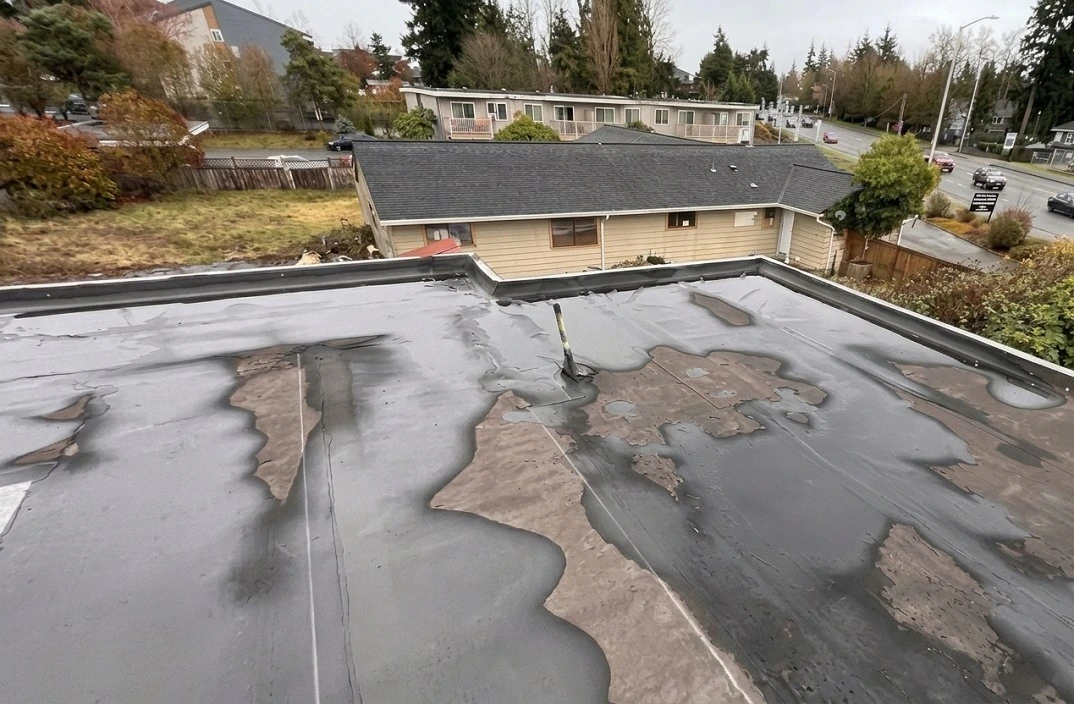
coluA commercial roof can handle years of rainfall without attracting much attention. Water enters the drainage points, travels through the connected pipes, and leaves the roof. The system seems to do its job until someone notices puddles that remain long after the rain stops. In some cases, water begins collecting around equipment, roof seams, or low sections that were once clear.
This change does not always mean the drain itself is broken. Leaves, roofing debris, sediment, pipe restrictions, and changes in the roof surface can all affect how quickly water leaves the building. A drain may also appear clear at the top while a blockage sits farther down the pipe.
At Modern Roofing USA, commercial roof concerns need to be viewed as a combination of surface condition, drainage performance, and the way different roof sections handle rainfall. A problem around one drain can affect a much wider area, especially on a large low-slope roof. Understanding why drainage slows down can help building managers recognize warning signs before standing water starts affecting other roofing materials.
Why Do Roof Drains Lose Their Effectiveness on a Commercial Roof?
Roof drains work as part of a connected system. The drain opening collects water, while the surrounding roof surface directs it toward that point. Pipes then carry the collected water away from the building.
If one part of this arrangement stops working properly, the entire drainage process can slow down. The issue may develop gradually, which makes it easy to overlook during routine building operations.
Debris collects around drain openings
Leaves, small branches, dust, packaging scraps, and loose roofing granules can gather around drain covers. Even when each piece seems harmless, repeated accumulation can reduce the open area through which water enters.
Commercial buildings near trees or busy industrial areas may collect different types of debris throughout the year. Wind can carry lightweight material across a roof, while nearby construction activity can leave dust and small fragments behind.
Drain components can become restricted
A drain cover, strainer, or internal connection may become obstructed. Sometimes the visible opening looks clear, but material farther inside the drainage line slows the flow.
This is one reason a quick glance at the drain does not always reveal the actual problem. The whole drainage path needs attention when water repeatedly remains on the roof.
How Does Roofing Debris Affect Drain Performance?
Debris is one of the more common reasons a drain becomes less effective. The amount and type of material can vary with the building’s surroundings, roof design, and maintenance history.
A single storm may wash loose material toward the drains. Over several months, the same process can leave a layer of accumulated debris around drainage points.
Dust and sediment settle near low areas
Fine dust can mix with rainwater and settle where water moves slowly. As the material builds up, it may form a layer around the drain opening or across nearby roof sections.
This can be particularly noticeable on low-slope roofs, where water moves at a gradual pace. The sediment may not block the drain completely, but it can contribute to slower drainage.
Leaves and loose materials form a barrier
Leaves can collect over drain covers and become compacted when wet. Small pieces of roofing material, plastic, and other debris may add to the blockage.
When this material stays in place, water may spread around the drain instead of entering it freely. Removing visible debris is useful, but recurring accumulation may point to a need for a more regular inspection schedule.
Can Standing Water Change the Condition of a Commercial Roof?
Standing water is not just a sign that drainage is slow. It can also place additional stress on roofing materials, particularly when it remains in the same area after repeated rainfall.
A commercial roof may have slight variations in slope, surface level, or structural movement. These differences can create low spots where water gathers instead of reaching a drain.
Water remains around seams and roof details
On membrane roofing systems, seams and joints are areas that deserve attention. Water that stays around these details for extended periods can expose existing weaknesses.
If a seam is already loose or a flashing connection has deteriorated, repeated water exposure may make the problem more noticeable. A leak may not appear immediately, but the area deserves a closer assessment.
Roof surfaces may develop low spots
Some areas can settle or change shape over time. Structural movement, previous repairs, or changes in the roof assembly may affect how water travels across the surface.
A drain can be fully functional and still fail to clear a particular section if the surrounding slope no longer directs water toward it. In that situation, cleaning the drain alone will not correct the underlying issue.
What Happens When Drain Pipes Become Partially Blocked?
A drain opening is only the starting point. The connected pipework must also carry water away at a suitable rate. If a restriction develops inside the line, water can move slowly even when the roof opening appears clean.
Hidden obstructions slow water movement
Sediment, leaves, and other material can enter the drainage line and collect at bends or connections. Over time, this buildup can reduce the space available for water to pass through.
A partial obstruction may allow some water to drain, making the problem less obvious. Building staff may notice that puddles take longer to disappear rather than seeing a complete blockage.
Damaged connections can affect drainage
A pipe connection that has shifted, cracked, or become damaged may interfere with the drainage system. The location and type of problem determine how it affects water movement.
If water backs up repeatedly at the same drain, the issue may be inside the pipe rather than on the roof surface. A suitable inspection can help distinguish between a blocked opening, an internal restriction, and a damaged connection.
How Can Roof Maintenance Problems Make Drainage Worse?
Drainage systems need attention even when there is no active leak. A drain that worked well several years ago may not perform the same way after repeated exposure to weather, debris, and building activity.
At Modern Roofing USA, commercial roofing assessments should look beyond the drain opening. The surrounding roof condition can help explain why water is not reaching the drainage point as intended.
Missed inspections allow small problems to continue
When drains are not checked regularly, small accumulations can remain until they affect water movement. A loose drain cover, damaged seal, or blocked strainer may go unnoticed between major rainfall events.
A planned maintenance schedule can help identify these issues before they lead to repeated ponding or water entry.
Previous repairs may affect water flow
A roof repair can change the surface around a drainage area if the finished section does not meet the surrounding roof level properly. Added materials, patches, or poorly shaped transitions may create small barriers.
This does not mean every repair causes drainage trouble. It means repaired sections should be checked for proper water movement, especially when puddles begin appearing after the work is complete.
Why Do Roof Drains Need More Attention After Heavy Rain?
Heavy rain can reveal problems that were not obvious during lighter showers. A drain may handle a small amount of water but struggle when rainfall arrives faster than the system can carry it away.
Storms can also move debris across the roof, leaving it concentrated around drain covers and low sections.
Water may collect faster than it can leave
When rainfall exceeds the drainage rate, temporary ponding can occur. If water remains long after the rain ends, the building may have a restriction, a design limitation, or an issue with the roof’s slope.
The difference between short-term ponding during intense rainfall and recurring standing water matters. Repeated slow drainage deserves attention rather than being treated as a normal part of every storm.
Overflow paths may also become obstructed
Some commercial roofs have secondary drainage or overflow openings intended to help manage excess water. If these outlets are blocked, the roof may have fewer ways to release water during heavy rainfall.
These openings should be checked along with the primary drains. A clear main drain does not tell the full story if another part of the drainage arrangement cannot function when needed.
What Warning Signs Suggest a Commercial Roof Drain Needs Attention?
A change in drainage performance often appears through small, repeated signs. Building managers may notice them during roof visits or after rainfall.
Watch for these conditions:
- Puddles remain in the same locations after rain has stopped.
- Water moves slowly around drain covers.
- Leaves, dirt, or roofing debris repeatedly collect near openings.
- Overflow areas show signs of frequent water movement.
- Ceiling stains or interior leaks appear below drainage routes.
- Roof seams or flashing near ponding areas show visible changes.
These signs do not all point to a blocked drain. A professional assessment can help determine if the cause is debris, pipe restriction, roof slope, damaged components, or a combination of issues.
How Can Commercial Roof Drain Problems Be Addressed?
The correct response depends on what is slowing the water flow. Removing surface debris may solve a simple blockage, while an internal pipe restriction or low roof section may need a different repair.
A roofer in Columbia can assess the roof surface, drainage openings, and nearby details when a building repeatedly experiences slow water removal. The inspection should identify where water collects and why it does not reach the drain efficiently.
For a commercial property, the assessment may include checking drain covers, visible pipe connections, roof valleys or low sections, membrane seams, and surrounding flashing. Photographs can help document areas that need attention and support decisions about suitable repairs.
Cleaning should also be handled safely. Commercial roofs may have slippery surfaces, fragile skylights, electrical equipment, and other hazards. Building staff should avoid walking through standing water or attempting work near unprotected roof edges.
How Can Regular Drain Checks Help Protect Commercial Roofing Materials?
A drainage problem can affect more than the area around the outlet. Repeated ponding may expose seams, flashing, and roof surfaces to longer periods of moisture. If water finds an existing opening, it can reach insulation or roof decking and eventually appear inside the building.
Regular checks help identify changes while the issue is still limited. A useful maintenance record can include the date of each inspection, debris found, drain condition, areas where water remained, and any repair completed.
The timing of inspections can reflect the building’s surroundings and weather patterns. A property near trees may need more frequent debris removal than a building with few nearby sources of leaves. Roofs exposed to frequent storms may also need checks after severe weather.
What Should Building Managers Remember About Commercial Roof Drains?
A drain does not become less effective for only one reason. Debris buildup, sediment, pipe restrictions, damaged connections, roof settlement, and changes caused by previous repairs can all affect how water moves across a commercial roof. The visible drain opening is only one part of the system.
Modern Roofing USA Reviews can offer insight into other customers’ experiences, while a direct roof assessment can help identify the actual condition of a specific building. When puddles keep returning or drainage takes longer than it used to, checking the entire water route can help prevent a minor maintenance issue from developing into a larger roofing concern.