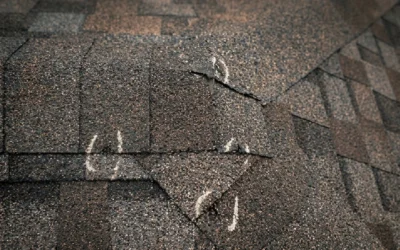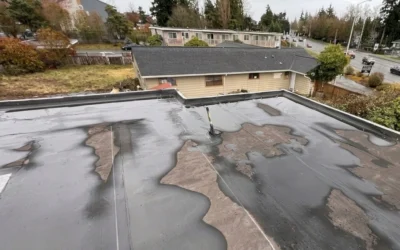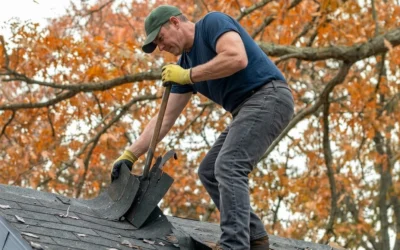
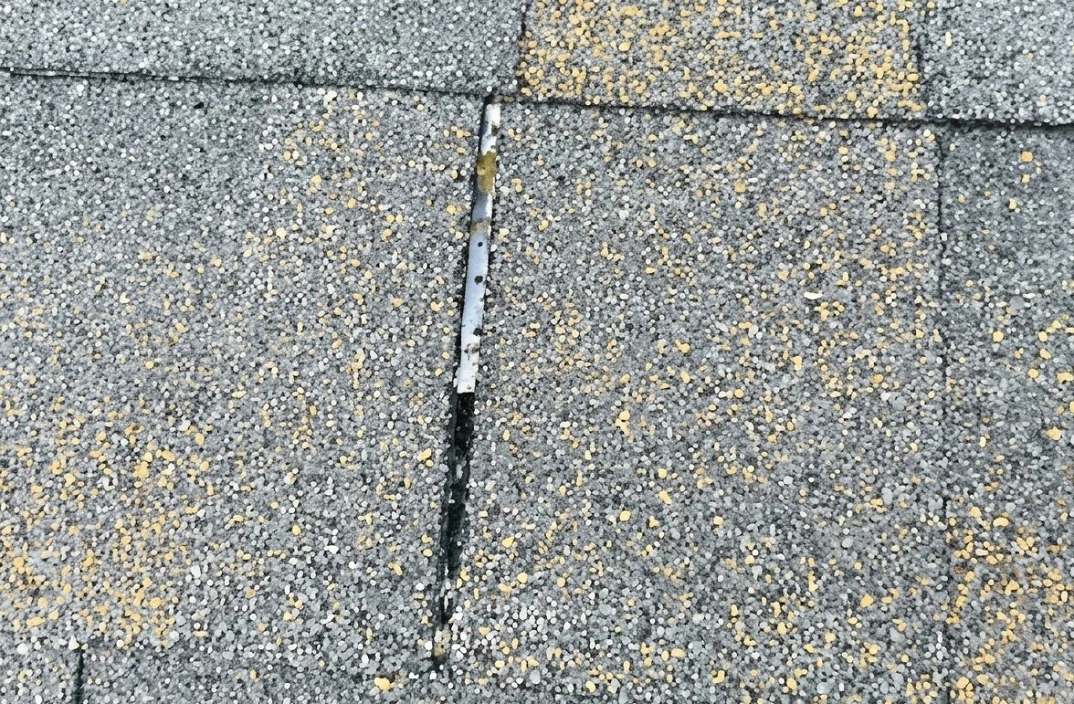
A roof can look perfectly normal from the street, yet a closer look may reveal thin spaces along the lower edges of its shingles. These openings are not always easy to notice. One corner may sit slightly higher than the next, or a shingle may appear to have lost its firm connection with the layer beneath it. At first, the change might seem minor, but it can leave parts of the roof more exposed to wind and rain.
Most asphalt roof shingles have a strip of adhesive that helps bond one shingle to the next after installation. This seal helps the shingles stay in position during ordinary weather. When the bond does not form properly or becomes weaker over time, the edges can lift and gaps may appear.
In roofing inspections, this type of issue deserves attention because the visible opening may not explain the full cause. The condition of the shingles, the roof’s exposure to wind, installation details, and the age of the materials can all offer useful clues. Modern Roofing USA approaches roof concerns by looking at how the affected shingles connect with the surrounding sections rather than judging the problem from one loose edge alone.
Why Do Roof Shingles Develop Gaps Along Their Sealed Edges?
Shingles are installed in overlapping rows, with each layer helping shield the one below it. The adhesive strip helps hold the shingle edges together once the seal forms. If that connection is weak or becomes disturbed, a small opening can develop.
The cause may be related to installation, weather exposure, or changes in the roofing material. Sometimes several conditions work together rather than one issue being responsible.
The adhesive seal does not form properly
New shingles do not always seal themselves immediately after installation. Many asphalt shingles rely on warmth from sunlight to activate the adhesive strip. If the roof is installed during cool weather, the bond may take longer to form.
Wind can affect the shingles during this period. If an edge lifts before the adhesive has bonded, dust or debris may settle underneath it. The strip may then struggle to make full contact with the shingle below.
The original bond becomes weaker
A seal that formed properly can still lose strength after years of weather exposure. Repeated temperature changes, strong winds, and the natural aging of roofing materials may affect how firmly the edges remain connected.
This does not mean every older roof will develop gaps. The material’s condition and the weather it has faced both matter.
Can Strong Winds Pull Apart the Sealed Shingle Edges?
Wind places pressure on the roof surface, especially around exposed edges, corners, and ridges. When gusts move across a roof, they can catch a loose shingle edge and lift it away from the layer beneath.
A single gust may not remove the shingle, but repeated movement can disturb its seal.
Repeated lifting affects the adhesive connection
When a shingle edge rises and settles again, the adhesive bond can experience repeated stress. Over time, the connection may weaken, leaving a small gap that was not present before.
The issue can become more noticeable on roof sections that face prevailing winds or have fewer nearby structures to reduce exposure.
Wind can bend or crease the shingle
A shingle that lifts forcefully may develop a crease near its exposed edge. Even if it returns to a flat position, the crease can affect how it sits against the next layer.
This is different from a simple loose seal. A creased or cracked shingle may need repair or replacement because pressing it back down will not restore the damaged material.
How Does Heat Affect the Sealed Edges of Roof Shingles?
Sunlight heats the roof surface throughout the day. When temperatures drop at night, the materials cool again. This constant change causes roofing materials to expand and compress.
Over many seasons, temperature changes can affect the condition of shingles and their adhesive connections.
High temperatures can age roofing materials
Long periods of heat and direct sunlight can contribute to the gradual aging of asphalt shingles. As the material becomes older, it may lose some of its flexibility and become more likely to crack or split.
The adhesive strip can also change as the roofing system ages. If the bond becomes less effective, the shingle edges may no longer stay firmly in place.
Sudden temperature changes place stress on the roof
A roof can experience a wide temperature range between sunny afternoons and cold nights. These changes affect the roofing surface repeatedly.
Temperature movement alone does not automatically create gaps. It can, though, add stress to shingles that already have weak seals, poor installation contact, or age-related damage.
Can Incorrect Installation Leave Gaps Between Shingle Edges?
Yes. Installation details have a direct effect on how well shingles fit and seal. Even good roofing materials can develop problems when they are not positioned or fastened correctly.
Shingles may not be aligned correctly
Each row needs the correct overlap and placement. If shingles are installed too high, too low, or with uneven spacing, the exposed edges may not sit as intended.
Poor alignment can create visible openings and affect how water moves across the roof. It can also leave certain sections more exposed when wind pushes against the surface.
Fasteners may be placed incorrectly
Roofing nails need to be installed in the correct areas and at the proper depth. Nails placed too high may fail to secure the intended section, while overdriven fasteners can damage the shingle.
If a shingle is not held firmly in place, its edge may move more easily during windy conditions. The adhesive strip cannot make up for every fastening mistake.
What Happens When Dust or Debris Gets Beneath a Shingle Edge?
A clean contact area helps the adhesive strip bond with the shingle below. If dirt, roofing dust, or loose granules collect between the surfaces before sealing, the connection may be weaker.
This can happen when shingles remain exposed before the adhesive forms a bond. Wind may lift an edge, allowing small particles to enter the space underneath.
Debris prevents full contact
The adhesive strip needs contact with the surface below it. If debris sits between the two materials, parts of the strip may not bond properly.
The result can be an edge that stays loose even when the rest of the shingle appears secure.
Loose granules can signal a separate problem
Granules naturally protect asphalt shingles, and some loss occurs as roofing materials age. Large amounts of loose granules, especially when paired with exposed asphalt or damaged edges, may point to a condition that deserves closer inspection.
Granule loss does not automatically mean the adhesive has failed. The full surface should be checked before deciding what repair is needed.
Can Gaps Along Sealed Edges Allow Water Beneath the Shingles?
A small opening does not always lead to an immediate leak. Shingles overlap, and the roofing system includes other layers that help direct water away from the roof structure.
Still, a loose edge can make it easier for wind-driven rain to move beneath the shingle. The risk depends on the opening’s location, the roof’s slope, and the weather conditions.
Water can reach the underlayment
If rain passes beneath a lifted edge, the underlayment may receive moisture that the outer shingle layer would normally block. The underlayment acts as another protective layer, but repeated exposure or damage to this material can increase the chance of water reaching the roof deck.
Nearby shingles may become affected
A loose shingle can also place pressure on the surrounding rows. Wind may catch the exposed edge and disturb nearby materials, especially when several shingles have weak seals.
A small gap should therefore be checked in context. The inspection should look at the neighboring shingles, not only the one edge that first caught someone’s attention.
What Warning Signs Suggest That Shingle Seals Are Failing?
Some signs can be seen from the ground, while others require a closer roof inspection. A few clues may include:
- Shingle corners that appear raised or curled.
- Thin dark lines or openings along overlapping edges.
- Shingles that move or flap during windy weather.
- Creases, cracks, or broken corners near the sealed area.
- Loose shingles or granules found around the property.
- Water stains inside the building after rainfall.
These signs can have different causes. For example, curled edges may result from aging or heat exposure rather than adhesive failure alone. An inspection can help identify the actual condition and avoid unnecessary repairs.
How Should Loose or Separated Shingle Edges Be Repaired?
The repair depends on why the gap developed. A shingle with an intact surface and a disturbed adhesive bond may need a different response than one that has cracked, creased, or lost part of its material.
A roofer in Salt Lake City can assess the condition of the affected shingles, check the surrounding rows, and identify if wind exposure, aging, or installation details have contributed to the problem. In areas that experience seasonal temperature changes and strong winds, checking how the shingles sit and seal can be especially useful.
Modern Roofing USA handles roof inspections and repair concerns by looking at the affected materials and the surrounding roof condition. The aim is to determine if a limited repair is suitable or if damaged shingles need replacement. Applying sealant without understanding the cause may hide the opening temporarily while leaving the original issue unresolved.
Can Regular Roof Inspections Help Prevent Shingle Gaps From Spreading?
An inspection cannot stop every weather-related problem, but it can help reveal loose edges before they affect a larger section. This is especially useful after strong winds, hail, or periods of unusual temperature changes.
A roof check can include the adhesive edges, shingle alignment, nail placement where visible, ridge areas, flashing, and signs of surface damage. If one section has repeated lifting, nearby areas may also deserve attention.
Keeping a record of repairs and inspection findings can help track whether the same section continues to loosen. That information may also help identify a recurring issue linked to roof design, exposure, or installation.
What Should You Remember About Gaps Along Shingle Seals?
Gaps along sealed edges can develop when the adhesive bond fails to form, becomes weaker with age, or is disturbed by wind, heat, debris, or incorrect installation. The opening may look small, but it can leave the shingle more vulnerable during the next period of harsh weather.
Modern Roofing USA Reviews can help readers understand other customers’ experiences, while a direct inspection is the practical way to assess a particular roof. If shingle edges appear lifted or separated, checking the cause early can help determine the right repair before the affected area grows.