A roof leak during a rainy season can quickly become a difficult situation. One day, a small damp patch appears near a ceiling corner. A few days later, water begins dripping into a room, and another round of rain makes the problem worse. When rain continues for several days or weeks, even a temporary repair can become challenging because the roof may not stay dry long enough for permanent work.
Roofers approach these situations according to the size of the leak, the location of the damage, and the weather conditions. A large opening caused by missing shingles or storm damage may require emergency tarping to limit water entry. A smaller leak around flashing, a vent, or a roof seam may need a closer inspection to identify where moisture is getting through.
At Modern Roofing USA, roof leak concerns call for different responses depending on what the roof is showing. The immediate priority during an active leak is to limit further water entry and protect the affected area. Once conditions allow, the damaged section can be inspected and the suitable repair can be planned. This approach helps address both urgent situations and smaller problems that might otherwise continue through the rainy season.
What Do Roofers Do When a Large Roof Leak Happens During Heavy Rain?
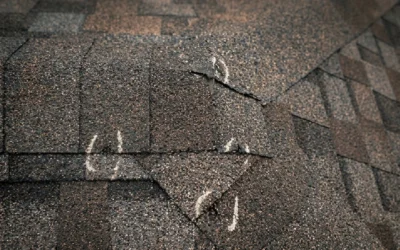
A large roof leak needs quick attention because water can enter faster than it can be contained inside the building. Missing shingles, storm-damaged roof sections, damaged flashing, or an opening around a roof feature can allow significant amounts of rainwater inside.
During active rainfall, permanent repairs may not be safe or practical. Wet roofing surfaces can be slippery, and some repair materials need dry conditions to bond properly.
Emergency tarping helps limit further water entry
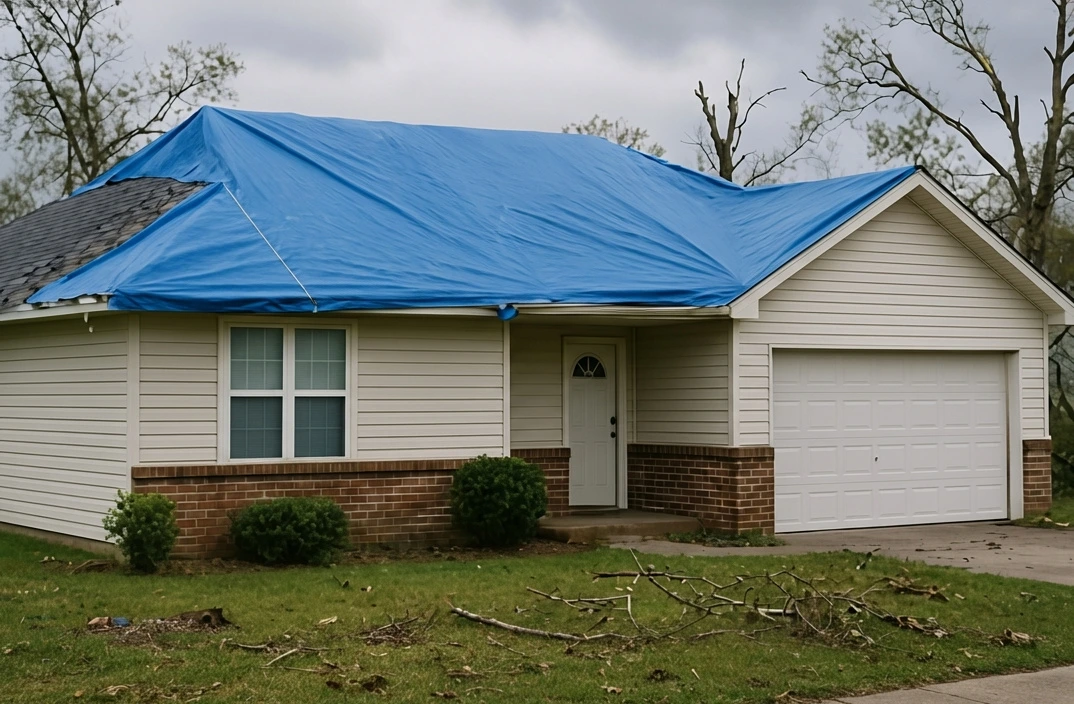
When a damaged roof section is exposed, roofers may use an emergency tarp to cover the affected area. The tarp acts as a temporary barrier between the opening and incoming rain.
For example, if strong winds remove several shingles and expose part of the roof deck, a properly secured tarp can help keep additional rain away from that section. The covering needs suitable placement and secure fastening so wind does not pull it loose.
Modern Roofing USA offers emergency response services, including same-day tarping availability. The purpose is to reduce further exposure while the weather prevents a suitable permanent repair.
Water inside the building also needs attention
While the roof opening is being addressed, the interior area may need temporary protection. Buckets can collect dripping water, while furniture, stock, electronics, and other belongings should be moved away from the affected spot when possible.
If water reaches electrical fixtures, ceiling materials begin sagging, or a large amount of water collects overhead, the affected area should be kept clear. A wet ceiling can become unsafe, and electrical hazards should be handled by qualified professionals.
How Do Roofers Manage Small Roof Leaks During a Rainy Season?
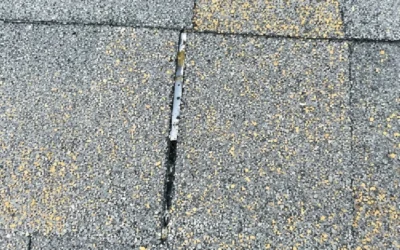
Not every leak starts with a large opening. Some begin around a pipe vent, a flashing joint, a loose shingle, or a small crack in a roof surface. These leaks may appear as a faint ceiling mark or occasional dripping during heavy rainfall.
The challenge is that a small indoor stain does not always point directly to the damaged roof section.
First, they look for the likely entry point
A roofer checks the roof area above and around the reported leak. This may include shingles, flashing, valleys, vents, and other places where different roofing materials meet.
Water can travel along the roof deck or framing before reaching the ceiling. For that reason, the wet spot inside the building may be several feet away from the actual opening.
Temporary protection may be used when conditions are wet
If rain is still falling, a roofer may need to wait for a safe opportunity to inspect the roof properly. Depending on the location and condition of the damage, temporary protection may help limit water entry until a lasting repair can be completed.
A small leak should not automatically be treated as a minor repair. A loose flashing connection, for example, may allow water to reach insulation or roof decking each time rain returns.
Why Is Finding the Actual Source of a Roof Leak So Important?
A visible drip can make the problem seem straightforward, but water does not always follow a direct path. It may enter near a roof vent, travel along a wooden support, and appear inside near a wall or ceiling joint.
Repairing the area directly above the stain without locating the entry point can leave the real problem untouched.
Roof valleys can direct water toward weak areas
Valleys collect water from two adjoining roof slopes. If debris builds up or the valley flashing becomes damaged, water may move beneath nearby roofing materials.
During long rainy periods, these areas receive repeated water flow. A small weakness may become more noticeable as rainfall continues.
Flashing and roof openings need close attention
Chimneys, skylights, plumbing vents, and wall connections all have joints that require proper protection. If flashing becomes loose or its surrounding seal deteriorates, rain can enter through the gap.
Roofers check these transitions carefully because replacing a few shingles will not solve a leak caused by damaged flashing.
What Happens When Rain Continues Before a Permanent Roof Repair Is Possible?
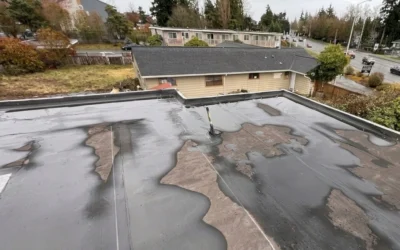
Sometimes the weather does not allow a complete repair immediately. Rain may return before the roof surface dries, or the forecast may show several more days of wet conditions.
In these situations, roofers focus on limiting additional exposure while planning the permanent work for a suitable weather window.
Temporary measures are not the final repair
A tarp, temporary covering, or other protective measure can help reduce water entry. It does not restore the roof to its original condition.
Once the weather allows safe access and proper working conditions, the roofer can remove the temporary protection as needed, inspect the damaged materials, and complete the appropriate repair.
Repeated leaks need more than repeated patching
If the same ceiling area becomes wet after every rainfall, the problem may be deeper than a single loose shingle. The underlayment, roof decking, flashing, or surrounding materials may also need attention.
Repeatedly covering the visible spot without checking the roof assembly can allow moisture to remain trapped. A proper assessment helps determine how much of the affected section needs repair.
Can Roof Leaks Cause More Damage During a Long Rainy Season?
Yes. A leak that remains active through several rounds of rainfall can expose building materials to repeated moisture. The extent of the damage depends on how much water enters, how long it remains, and which materials become wet.
Insulation can become damp
Water entering the roof may reach the insulation below it. Wet insulation can lose some of its thermal performance and may take a long time to dry if the affected area remains enclosed.
If moisture stays trapped, the surrounding materials may also develop unpleasant odors or signs of mold growth.
Roof decking may weaken
The roof deck supports the roofing materials above it. If water repeatedly reaches the same section, the wood may begin to swell, soften, or deteriorate.
A roofer may need to check the deck once the damaged area is accessible. If the wood has lost its strength, replacing the affected section may be necessary before installing new roofing materials.
Interior finishes can show delayed signs
Ceiling stains, peeling paint, bubbling drywall, and damp wall corners may appear after water has already entered the building. These signs should not be ignored just because the dripping has stopped.
A leak can become temporarily inactive when the rain eases, even though the opening remains.
How Does Modern Roofing USA Respond to Emergency Roof Leak Calls?
An emergency leak requires a practical response based on the condition of the roof and the weather at that moment. A large opening needs a different approach than a slow drip around a vent.
Modern Roofing USA handles roof repair and storm-related concerns with attention to the visible damage, the likely water entry point, and the protection needed while permanent work is arranged.
The process may include:
- Initial assessment: Understanding where water is entering and how severe the leak appears.
- Damage inspection: Checking shingles, flashing, roof openings, and surrounding materials when access is safe.
- Emergency protection: Using tarping when needed to cover exposed sections and reduce further rain entry.
- Documentation: Taking photographs or videos of visible damage to record the roof’s condition.
- Repair planning: Explaining the affected areas and the work needed once suitable conditions allow it.
- Insurance coordination: Assisting with documentation and adjuster visits when a storm-related insurance claim is involved.
This does not mean every leak requires tarping or that every storm-related repair will be covered by insurance. The response depends on the actual damage, weather conditions, and the property owner’s circumstances.
When Should You Contact a Roofer Instead of Waiting for the Rain to Stop?
Some roof problems can wait for a safe inspection, but an active leak should not be ignored simply because the rain is expected to end soon. Water may continue moving through the roof assembly even after the dripping slows down.
If you notice a growing ceiling stain, water near a light fixture, a sagging ceiling, or several areas of active dripping, keep people away from the affected section. Do not climb onto a wet roof to place a tarp or attempt a repair yourself.
For a property needing a roofer in Columbia, a professional assessment can help identify the source of the leak and determine if emergency protection or a scheduled repair is appropriate. Modern Roofing USA can also help document visible storm damage and coordinate with insurance adjusters when needed.
How Can Small Roof Problems Be Handled Before the Next Rainfall?
A rainy season often exposes problems that developed during earlier months. A slightly lifted shingle, cracked flashing, or loose roof connection may not cause trouble during dry weather, but repeated rainfall can reveal the weakness.
A roof inspection before or during the rainy season can help identify these conditions. The roofer may check roof edges, valleys, flashing, vents, and areas where previous repairs were completed.
Small repairs should be based on the actual condition of the materials. Replacing a damaged shingle, correcting a loose flashing section, or clearing a blocked drainage area may address the problem before it becomes a recurring leak.
What Should You Remember About Roof Leaks During Long Rainy Seasons?
A large leak may call for emergency tarping, while a smaller leak may require careful tracing around shingles, flashing, vents, or roof seams. When rain continues, temporary protection can help limit further water entry, but permanent repairs still need proper conditions and a clear understanding of the damage.
Modern Roofing USA Reviews can help readers understand other customers’ experiences, while an inspection can explain what is happening on a particular roof. The important point is not to judge a leak only by the amount of water visible inside. Even a slow drip can signal a problem that deserves attention before the next round of rain.