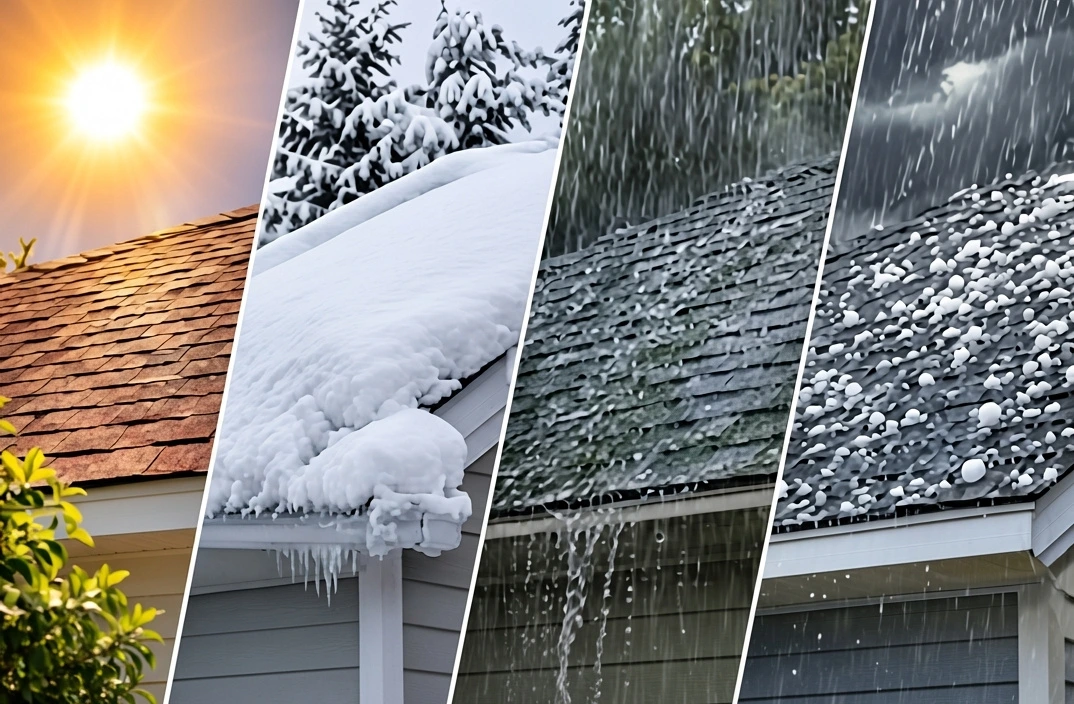
A roof faces different conditions throughout the year. During warmer months, sunlight heats the surface for hours, while colder periods bring temperature changes, strong winds, and repeated rainfall. These shifts may seem like ordinary parts of the weather, but they can gradually change how roofing materials behave.
A roof that handles a dry summer without trouble may face different demands when heavy rain arrives. Shingles can become more exposed to wind, flashing joints may show signs of movement, and drainage areas can collect debris after storms. These changes do not always lead to immediate leaks, but they can affect how well the roofing system protects the building.
At Modern Roofing USA, roof inspections involve looking at the condition of different roofing components rather than judging the entire surface by its appearance. Seasonal weather can affect shingles, roof edges, flashing, gutters, and other details in different ways. Understanding these changes helps explain why regular attention matters even when there is no visible problem.
How Does Seasonal Weather Affect Roof Performance Throughout the Year?
Each season brings a different combination of temperature, moisture, sunlight, and wind. Roofing materials respond to these conditions over time, and the effects may become more noticeable after several weather cycles.
For example, a hot summer can expose older shingles to prolonged sunlight, while a period of heavy rain may reveal weaknesses around flashing or roof valleys. Strong winds can disturb loose materials, and colder conditions can place additional stress on existing cracks or damaged areas.
Different seasons place different demands on roofing materials
The same roof may experience several types of stress within a single year. Heat can affect the surface, rainfall tests the drainage system, and wind places pressure on exposed edges.
These conditions do not affect every roof in the same way. Material type, roof slope, installation quality, age, and surrounding trees or buildings all influence how a roofing system responds.
Small changes can build up over time
A slightly lifted shingle or a small gap around flashing may not cause trouble immediately. After repeated exposure to wind and rain, that weak point may become more noticeable.
This is why roof performance should be understood as an ongoing condition rather than something determined by one inspection or one season.
What Does Summer Heat Do to Roof Shingles and Other Materials?
Long periods of sunlight can place considerable heat on a roof. Dark roofing surfaces may become especially hot during sunny afternoons, while the materials cool again after sunset.
Repeated temperature changes can affect the flexibility and condition of roofing materials, particularly as they age.
Sunlight can gradually affect shingle surfaces
Asphalt shingles contain materials that protect the roof against outdoor exposure. Over time, ultraviolet sunlight can contribute to the aging of these materials.
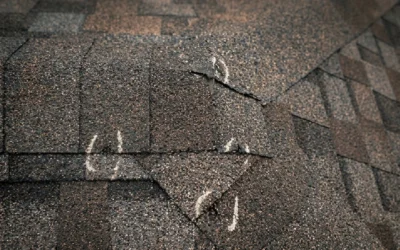
Older shingles may become more brittle, lose granules, or develop cracks. Granule loss can also occur naturally as a roof ages, so the amount and condition of the exposed surface should be checked before deciding if damage is present.
Heat can affect roof seal connections
Many asphalt shingles use adhesive strips to help hold overlapping edges together. Prolonged weather exposure and material aging can affect these connections.
If a seal becomes weak, wind may lift the shingle edge more easily. This can leave the roof more exposed during later storms, especially when several neighboring shingles have similar problems.
How Can Heavy Rain Change the Condition of a Roof?
Rain tests more than the outer roofing surface. It also puts drainage routes, flashing, valleys, and roof openings under repeated moisture exposure.
A roof may appear fine during dry weather but show signs of trouble once rainfall continues for several days.
Flashing areas may reveal weak connections
Flashing protects the points where roofing materials meet walls, chimneys, vents, skylights, and other features. These transitions need proper placement and secure connections to keep water away from vulnerable areas.
If flashing becomes loose or a seal around it deteriorates, rain may enter through the opening. Water can travel along the roof structure before appearing as a stain inside the building.
Roof valleys need clear water movement
Valleys carry water from adjoining roof slopes toward the drainage system. Leaves, branches, and other debris can collect in these areas and slow the flow.
When water cannot move freely, it may remain around nearby roofing materials for longer periods. If a valley already has damaged flashing or a weak connection, repeated rainfall can make the condition more noticeable.
Can Strong Seasonal Winds Affect Roof Performance?
Wind can place pressure on shingles, ridge caps, roof edges, and other exposed components. The effect depends on wind speed, direction, roof shape, and the condition of the materials.
A roof does not need to lose large sections of shingles to experience wind-related problems. Sometimes the first signs are small movements or loosened connections.
Shingle edges may lift during repeated gusts
Strong gusts can catch the exposed edges of shingles, especially when their adhesive seals have weakened. Repeated lifting may loosen the bond or create creases in the material.
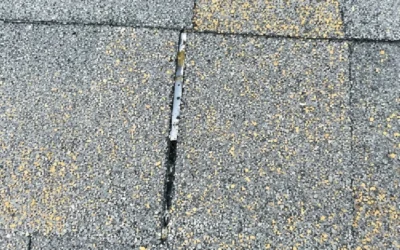
A shingle may settle back into place after the wind passes, making the problem difficult to notice from the ground. A closer inspection can reveal lifted corners, damaged tabs, or missing sections.
Roof edges and ridge caps can become exposed
The perimeter and highest points of a roof often experience direct wind pressure. Loose edge materials or damaged ridge caps can leave openings where rain may enter.
After a strong wind event, these areas deserve attention along with the main shingle surface. Checking only for missing shingles may leave smaller problems unnoticed.
What Happens to Roofing Materials During Cold Weather?
Cold weather changes how some roofing materials behave. Shingles can become less flexible in low temperatures, which may make older or already damaged sections more vulnerable during handling or impact.
Temperature changes can also affect joints and connections around the roof.
Existing cracks may become more noticeable
A small crack that causes no visible leak during mild weather may become a concern when the material contracts or experiences further movement.
This does not mean cold weather automatically creates cracks in every roof. Existing material condition and installation details play an important role.
Snow and ice can affect drainage
In places where snow and freezing conditions occur, ice may collect near roof edges and gutters. If melting water cannot drain properly, it may back up near the edge of the roof.
The resulting moisture can reach areas beneath the shingles if the roof has vulnerable sections. Proper drainage and suitable roof detailing help manage these conditions.
How Does Seasonal Weather Affect Roof Drainage?
A roof needs a clear route for rainwater to leave the surface. Gutters, downspouts, valleys, and roof drains all contribute to this process.
Seasonal changes can interfere with that movement when leaves, dirt, branches, or other debris collect around drainage points.
Gutters can become blocked during changing seasons
Falling leaves can fill gutters during autumn, while storm winds may carry branches and other material onto the roof. If the buildup remains, rainwater may overflow instead of reaching the downspouts.
Overflowing gutters can send water toward fascia, exterior walls, and areas around the foundation. They can also leave water collecting near roof edges.
Poor drainage can expose low sections to standing water
On low-slope roofs, water needs a suitable path toward drains or outlets. If a drain becomes blocked or the roof surface develops a low area, puddles may remain after rainfall.
Repeated standing water can expose seams and other roof details to longer periods of moisture. If a leak develops, the water may reach insulation or roof decking before becoming visible indoors.
Which Roof Problems Should Be Checked After Each Season?
Seasonal inspections help identify changes that may have occurred during the previous months. The purpose is not to assume that every weather event has damaged the roof, but to check the areas most likely to show signs of stress.
Modern Roofing USA looks at roof conditions such as damaged shingles, flashing concerns, drainage issues, and storm-related changes when assessing repair needs.
Some areas worth checking include:
- Shingles: Look for missing pieces, lifted edges, cracks, creases, or unusual granule loss.
- Flashing: Check the connections around chimneys, vents, skylights, and walls.
- Roof edges: Look for loose trim, damaged fascia, or lifted materials.
- Gutters: Check for blockages, sagging sections, and signs of overflow.
- Roof valleys: Look for accumulated debris and visible changes around the water channels.
- Interior areas: Watch for ceiling stains, damp insulation, peeling paint, or signs of moisture.
A roof inspection should also account for its age and previous repair history. A section that has experienced repeated problems may need closer attention than an area that has remained in good condition.
When Should You Contact a Roofing Professional About Seasonal Changes?
Some changes are easy to notice, such as a missing shingle or a gutter pulling away from the roof edge. Others appear gradually, including small leaks, loose flashing, or areas where water remains longer than usual.
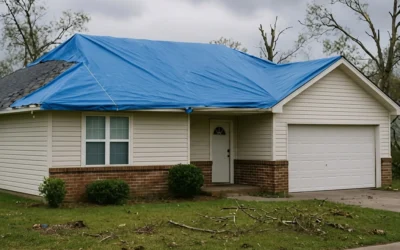
If a ceiling stain appears after rainfall, shingles begin lifting, or a roof section shows visible storm damage, a professional assessment can help identify the cause.
For property owners looking for a roofing company in Conway SC, an inspection can help determine how seasonal weather has affected the roofing materials and which areas need attention. Modern Roofing USA handles roof repair, replacement, and storm-related concerns, with inspections that help explain the condition of the affected sections.
The right response depends on what the inspection reveals. A loose shingle may need a limited repair, while widespread material damage or recurring leaks may call for a broader assessment.
Can Regular Roof Maintenance Help Maintain Roof Performance?
Routine maintenance gives roofing materials a better chance of remaining in suitable condition through changing weather. It also helps identify small problems before they affect nearby sections.
A maintenance visit may include checking shingles, clearing drainage areas, looking at flashing, and reviewing signs of moisture. Semi-annual checks can be useful, with additional attention after severe weather when needed.
Keeping records of previous inspections and repairs can also help. If the same area shows signs of trouble each year, those records may reveal a recurring pattern that needs a closer look.
Maintenance does not prevent every weather-related issue, but it can help keep the roof’s condition visible and make repair decisions more timely.
What Should You Remember About Seasonal Weather and Roof Performance?
Seasonal weather affects different parts of a roof in different ways. Heat can contribute to material aging, heavy rain can reveal weak flashing or drainage problems, wind can loosen shingles, and cold conditions can place stress on existing damage. These effects may develop gradually, which is why a roof can look normal while certain areas need attention.
Modern Roofing USA Reviews can help readers understand other customers’ experiences, while an inspection offers a clearer picture of a specific roof’s condition. Paying attention to seasonal changes can help identify concerns early and keep small roofing problems from becoming more extensive repairs.