A roof protects your home every day, but it is often easy to forget about it until something goes wrong. A few shingles may blow away after strong winds, a small leak might appear after heavy rain, or you may notice water stains on the ceiling. Once damage becomes visible, many homeowners ask the same question: How long does roof repairing usually take to complete?
There isn’t one simple answer because every roof has a different condition. Some repairs can be completed in just a few hours, while others may take several days. The repair schedule depends on the type of damage, the condition of the roof, weather, and the amount of work needed to restore the affected area.
Knowing what happens before repairs begin can help you understand why one project finishes quickly while another requires more time. It also helps homeowners prepare for the process instead of worrying about unexpected delays.
Modern Roofing USA begins every project with a detailed inspection to identify the damage, explain the findings, and recommend the right solution. This gives homeowners a clear understanding of the work before repairs begin.
What Affects the Time Needed for Roof Repairing?
No two roofing projects are exactly alike. Even if two homes have leaks after the same storm, the repairs may require different amounts of time.
Several things influence how long roof repairing takes.
The Amount of Damage
The first thing roofing professionals look at is how much of the roof has been damaged.
Replacing a few missing shingles is much different than repairing several sections that have been exposed to heavy rain or strong winds.
If damage is limited to one small area, repairs can usually move forward more quickly. Larger damaged sections naturally require additional work.
Roofing Materials
Every roofing material is installed differently.
Some materials are easier to repair because damaged sections can be replaced without disturbing large portions of the roof. Other roofing systems require more careful work to maintain proper protection and appearance.
Matching existing roofing materials may also affect the repair schedule.
Roof Design
Roofs come in many different shapes and sizes.
A simple roof with one slope is generally easier to repair than one with multiple peaks, valleys, skylights, chimneys, or steep sections.
The more complex the roof, the more attention each repair area requires.
How Does a Roof Inspection Support Roof Repairs?
Every successful repair starts with a careful inspection.
Instead of repairing only what is visible, roofing professionals look for hidden problems that may have developed underneath the roofing materials.
During the inspection, they examine areas such as:
- Missing or damaged shingles
- Flashing around vents and chimneys
- Roof valleys
- Signs of water entering the home
- Areas affected by recent storms
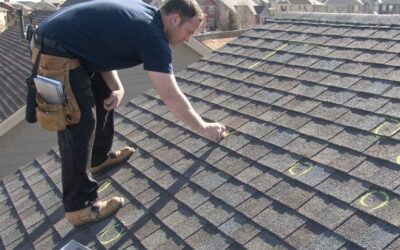
Modern Roofing USA documents the roof’s condition with detailed photos and explains the findings before recommending repairs. This allows homeowners to understand what needs attention and why those repairs are necessary.
A complete inspection often prevents unexpected surprises once work begins.
Why Can Small Damage Repair Be Finished Faster?
Many homeowners expect every roofing project to take several days, but that is not always the case.
When damage is discovered early, small damage repair is often much more straightforward than larger projects.
For example, replacing a few shingles or repairing a small section of flashing usually requires less work than repairing widespread damage after severe weather.
Small repairs are also less likely to involve hidden structural concerns because the problem has not had enough time to spread.
Acting early helps keep the repair simple while protecting the rest of the roof.
How Does Storm Damage Repair Change the Timeline?
Storms can affect several parts of the roof at the same time.
Strong winds may remove shingles, hail can damage roofing materials, and heavy rain may allow water to enter exposed areas. Every roof reacts differently depending on its age and condition.
A storm damage repair project often begins with a thorough inspection to identify both visible and hidden damage.
If storm damage is connected to an insurance claim, additional steps may be required before repairs begin. Documentation, measurements, and communication with the insurance adjuster can all become part of the process.
Modern Roofing USA assists homeowners by documenting storm damage and coordinating with insurance adjusters whenever insurance claims are involved. This helps create a smoother experience while preparing the roof for repairs.
Is Every Roof Repair Completed in One Day?
Some homeowners expect repairs to begin and end on the same day. While that certainly happens with smaller jobs, it is not true for every project.
Several situations may extend the repair schedule.
A roof with multiple damaged sections naturally requires more work than one with a single missing shingle.
Older roofs may also need additional inspection because damage is not always limited to the visible area.
Weather is another important part of the schedule. Roofing work depends on safe working conditions, so heavy rain or strong winds may temporarily delay repairs until conditions improve.
The goal is always to complete repairs correctly rather than rushing through the work.
Comparison Table: Small Damage Repair vs. Storm Damage Repair
| Feature | Small Damage Repair | Storm Damage Repair |
| Common Cause | Minor leaks, loose shingles, flashing issues | Wind, hail, heavy rain, severe storms |
| Inspection | Usually focuses on one area | Often covers the entire roofing system |
| Insurance Claim | Rarely needed | Often included |
| Repair Scope | Limited repairs | May involve several damaged sections |
| Expected Timeline | Often shorter | Depends on inspection and claim process |
What Happens Before Roof Repairing Starts?
Many homeowners only see the repair crew when work begins, but several important steps happen before any materials are installed.
First, the roof is inspected carefully to understand the full condition of the damaged area. Next, the findings are documented and explained to the homeowner. Once the repair plan is clear, materials are prepared and scheduling is confirmed.
This organized approach helps reduce confusion and keeps the project moving smoothly.
Why Should Homeowners Avoid Waiting Too Long?
Roof damage rarely stays the same.
A small leak today can become a much larger repair after several rainstorms. Moisture may spread beneath shingles and reach other roofing components before it becomes visible inside the home.
Repairing problems early often helps prevent larger repairs later.
Waiting several months may increase both the amount of work required and the overall repair time.
Five Simple Ways to Help Roof Repairing Stay on Schedule
Although roofing professionals handle the repair work, homeowners can also help the project move smoothly.
- Schedule a roof inspection soon after noticing damage.
- Report roof leaks or missing shingles as early as possible.
- Keep the driveway and work area clear before the crew arrives.
- Ask questions during the inspection so you understand the repair plan.
- Avoid delaying repairs after storms, even if the damage appears minor.
These small steps can make the entire repair process easier while helping protect your home from additional damage.
How Is Roof Repairing Different From Roof Replacement?
Many homeowners think roof damage automatically means they need a new roof, but that is not always the case. The right solution depends on the inspection results and the overall condition of the roof.
Roof repairing is usually recommended when the damage is limited to certain areas, such as missing shingles, damaged flashing, or a small leak. Roof replacement becomes the better option when the roof has widespread damage or has reached the end of its service life.
Modern Roofing USA begins with a detailed inspection before recommending any work. If repairs can restore the roof safely, the team explains that option clearly. If replacement is the better choice, homeowners receive a straightforward explanation of the findings.
What Should Homeowners Expect During Roof Repairing?
Knowing what happens during the repair process helps homeowners feel more prepared.
The project usually begins with a careful inspection and damage assessment. Once the roof review is finished, the repair work is planned and scheduled. During the repair, damaged roofing materials are removed and replaced with matching materials whenever possible. Once the repairs are finished, the roof is checked again, and the work area is cleaned before the project is completed.
Every roof is different, but following a clear process helps keep the project organized and reduces unnecessary delays.
Why Is Acting Quickly Important?
Roof damage often becomes worse when left untreated. A missing shingle or a small leak may not seem serious at first, but rain and changing weather can allow the problem to spread beneath the roofing materials.
Repairing the damage early helps:
- Reduce the chance of larger repairs.
- Protect the roof from additional water intrusion.
- Keep repair costs more manageable.
- Maintain the condition of the roofing system.
- Shorten the overall repair timeline.
Taking action soon after noticing damage often saves both time and money.
How Does Modern Roofing USA Help Homeowners?
Roof repairs are easier when homeowners understand what is happening throughout the project. Modern Roofing USA performs detailed roof inspections, documents damage with photos, explains the repair plan clearly, and assists with insurance claims when storm-related damage is involved. Certified crews complete repairs using quality materials and perform a final inspection before the project is finished.
If you are searching for experienced roofers in columbia sc, choosing a company that communicates clearly and explains every step of the repair process can make the experience much less stressful.
Conclusion
The time needed for roof repairing depends on the condition of the roof, the amount of damage, weather conditions, and the repairs required. Some projects can be completed quickly, while others need additional time for inspection, materials, or insurance documentation.
The best way to avoid longer repair schedules is to act as soon as you notice signs of damage. Missing shingles, roof leaks, and storm-related problems should be inspected before they become larger concerns.
Modern Roofing USA helps homeowners make informed decisions with detailed inspections, honest recommendations, quality workmanship, and insurance claim assistance when needed. Addressing roofing problems early helps protect your home and keeps the repair process as smooth as possible.