A severe storm can leave obvious signs on a roof, such as missing shingles, hail marks, or visible debris. Yet not every problem can be seen from the ground. Strong winds, hail, and heavy rain may affect parts of the roof that appear normal during a quick check.
Some hidden roof damage may not become noticeable until days or weeks later. A shingle can loosen, flashing can shift, or a small opening can allow water beneath roofing materials. Another storm may then turn a small problem into a larger one.
Modern Roofing USA performs complete roof inspections with photos and damage assessments, helping homeowners understand the condition of their roof after severe weather.
How Can Hidden Roof Damage Develop After a Severe Storm?
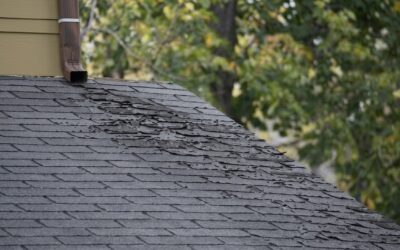
Severe weather can affect several parts of a roof during one event. Strong winds can loosen shingles, hail can leave impact marks and cause granule loss, and heavy rain can enter through small openings.
Small Openings Can Let Water Inside
A small gap may not cause an immediate leak. Later rainfall can enter through the opening and reach areas that should remain protected.
Damage Can Affect Several Areas
Storm conditions may affect different sections of the roof at the same time. A quick look at one area may not show the complete condition of the roofing system.
What Types of Storm Damage Can Remain Hidden?
Some storm-related problems are difficult to recognize without a closer inspection.
1. Loose or Damaged Roof Shingles
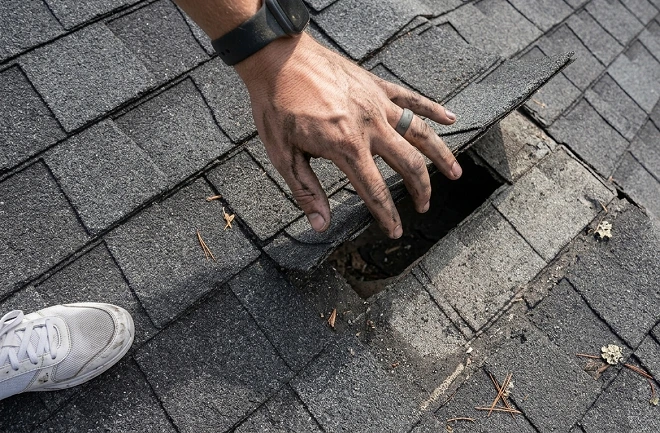
Strong winds can lift, shift, crack, or loosen shingles without removing them completely. A damaged shingle can leave the area underneath more exposed during future rainfall.
2. Hail Impact Marks
Hail can leave small impact marks and cause granule loss. These signs may be difficult to notice, especially when they are spread across several areas of the roof.
Modern Roofing USA checks for hail impacts, granule loss, missing shingles, and other signs of storm damage during inspections.
3. Damaged Flashing
Flashing protects areas where roofing materials meet. Severe weather can loosen or damage flashing, creating openings where rainwater may enter.
4. Small Openings That Allow Water Inside
Storm conditions can create gaps that are difficult to see from the ground. Rainwater may enter through these areas even when there is no immediate interior sign.
5. Moisture Beneath Roofing Materials
Water can enter through a damaged area and travel beneath roofing materials before becoming visible inside the home. A ceiling stain may appear later and may not be directly below the original entry point.
Why Is a Roof Inspection Necessary After a Storm?
A quick visual check can reveal obvious problems, but it may not identify every issue caused by severe weather. A professional inspection allows the roof to be examined more carefully.
Modern Roofing USA documents findings with photos and completes a detailed damage assessment. Homeowners can then understand what was found and what areas may need attention.
What Does the Inspection Check?
A post-storm inspection can identify:
- Missing, loose, or damaged shingles.
- Hail impacts and granule loss.
- Areas that may allow water intrusion.
- Damage around flashing and other roofing components.
- Other visible signs connected with the storm.
Can Hidden Roof Damage Lead to a Roof Leak Later?
Yes. Water can enter through a small opening and move beneath roofing materials before reaching the interior. This can make a later leak difficult to trace.
A visible stain on the ceiling does not always appear directly beneath the damaged area. An inspection helps identify the roofing concern rather than relying only on the location of the stain.
How Does Modern Roofing USA Document Hidden Roof Damage?
Modern Roofing USA uses photos and detailed damage assessments during inspections. When storm damage is suspected, the team works directly with insurance adjusters and shares reports, photos, and measurements that support the claim process.
For homeowners searching for a roofing company in Nashville, a detailed inspection can be an important first step after severe weather, especially when the roof looks mostly normal but there are concerns about hidden damage.
What Should You Do If Hidden Roof Damage Is Found?
Once possible hidden damage has been identified, homeowners should avoid guessing about the next step. Some storm-related issues may only need a targeted repair, while more extensive damage may require additional work.
A detailed inspection helps reveal what happened and which areas have been affected. Modern Roofing USA explains the findings clearly and documents the condition with photos, giving homeowners useful information before work begins.
Why Is Early Attention Helpful?
A damaged roof can face more rain and wind after the original storm. If an opening, loose shingle, or damaged flashing remains exposed, another weather event may make the condition worse.
Addressing the concern early can help homeowners understand the problem before it develops into a larger roofing issue.
How Can Storm Damage Impact an Insurance Claim?
Storm-related roofing claims can require clear documentation. Homeowners may need information showing what areas were damaged and how the condition relates to the storm.
Modern Roofing USA works directly with insurance adjusters and submits detailed reports, photos, and measurements based on each carrier’s requirements.
What Does Modern Roofing USA Document?
The inspection may include photographs of affected roofing materials, visible storm-related concerns, measurements, and a damage assessment.
This information helps the homeowner and adjuster have a clearer view of the roof’s condition during the claim process.
When Is Roof Repair Enough After Storm Damage?
Not every damaged roof needs a complete replacement. When the affected area is limited and the rest of the roof remains in good condition, targeted repair may be an appropriate option.
Modern Roofing USA evaluates the roof before recommending work. If a repair can address the problem, the team explains what needs to be repaired and why.
What Can a Targeted Repair Address?
Depending on the inspection findings, repairs may address concerns such as missing shingles, minor leaks, damaged flashing, or other limited storm-related issues.
The exact work depends on the condition of the roof and the areas affected by the weather.
Damage From Storms Can Lead to Roof Replacement
Some storms affect several areas of a roof at once. If the damage is widespread or the roofing system has other concerns, replacement may be discussed.
Modern Roofing USA does not assume every storm means a new roof is necessary. The recommendation is based on the inspection and documented condition of the roofing system.
How Is Replacement Planned?
If replacement is needed, homeowners receive a transparent estimate and can review roofing material options. Modern Roofing USA then schedules the work and completes the project with certified installation crews.
What Happens If a Storm Leaves the Roof Exposed?
A severe storm can sometimes leave parts of the roof exposed to rain. Waiting for permanent work while the opening remains unprotected can increase the chance of additional water damage.
Modern Roofing USA offers emergency tarping to help protect an exposed roof while permanent repairs are arranged.
Why Is Emergency Tarping Useful?
Tarping creates temporary protection over an exposed area. It is not a permanent repair, but it can help limit additional water intrusion while the next stage of the roofing process is arranged.
How Does Modern Roofing USA Handle Storm Damage?
Modern Roofing USA follows a clear process after storm-related concerns are reported. The process starts with a roof inspection and damage assessment, followed by clear documentation and an explanation of the available options.
If insurance is involved, Modern Roofing USA coordinates with the adjuster and submits the required documentation. Once the claim is approved, the team prepares a transparent estimate and schedules the necessary repair or replacement.
The process can include:
- Free roof inspection and damage assessment.
- Photos, measurements, and damage documentation.
- Insurance coordination when needed.
- Emergency tarping for exposed roofing.
- Repair or replacement based on the inspection findings.
What Signs Should Homeowners Watch For After a Storm?
Some roofing concerns may become noticeable after the initial weather event. Homeowners should pay attention to changes both outside and inside the home.
Interior Warning Signs
New ceiling stains, damp areas, or signs of water intrusion may indicate that moisture is entering through a damaged roofing area.
Exterior Warning Signs
Loose or missing shingles, visible hail impacts, and damaged roofing materials can indicate storm-related problems that deserve an inspection.
Conclusion
Severe weather can cause roofing problems that are not immediately visible. Loose shingles, hail impacts, damaged flashing, small openings, and moisture beneath roofing materials may remain unnoticed until later.
A professional inspection gives homeowners a clearer picture of what happened to their roof. Modern Roofing USA documents storm-related damage, helps coordinate with insurance when needed, offers emergency tarping for exposed areas, and handles repair or replacement based on the roof’s documented condition.
Checking the roof after severe weather can help homeowners address concerns before another storm creates additional problems.