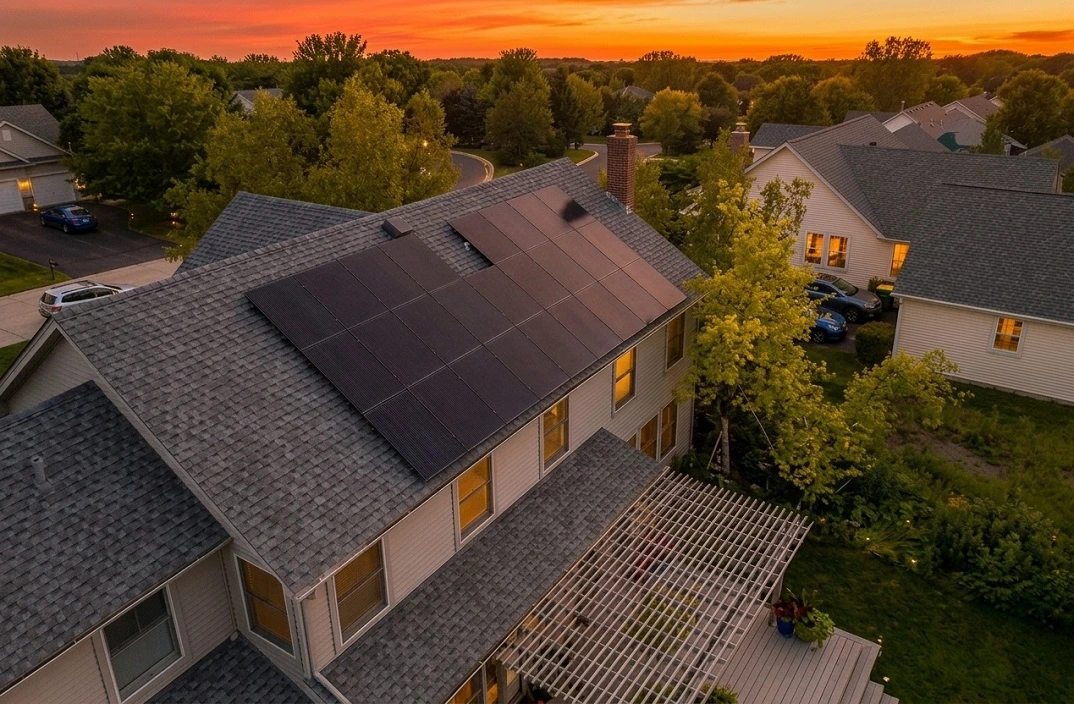
Solar panels can turn sunlight into electricity, but the roof beneath them plays an important role in how well the system works. Roof shape, slope, direction, available space, and structural condition can all affect panel placement and installation costs. Choosing suitable roof designs before installing solar panels can help homeowners plan a system that fits their property.
Some roofs offer broad, open surfaces that make panel placement easier. Others have several slopes, dormers, or shaded sections that limit the usable area. The best option depends on the home, local sunlight conditions, and the roofing materials already in place.
Modern Roofing USA helps homeowners understand their roof’s condition through inspections, damage assessments, and roofing services. Knowing how different roof styles work with solar panels can help homeowners make better decisions when planning a new roof or preparing an existing one for solar installation.
What Roof Designs Work Best for Solar Panels?
The best roof design offers enough usable space, suitable sun exposure, and a structure that can support the proposed solar system. A roof does not need a particular shape to accommodate panels, but some designs can make installation more straightforward.
Is a Gable Roof Suitable for Solar Panels?
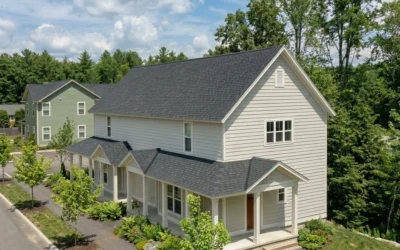
A gable roof has two sloping sides that meet at a central ridge. Its simple shape often offers broad surfaces for solar panel placement.
Depending on the home’s orientation, one side may receive more direct sunlight than the other. An installer can assess which slope offers better exposure and determine how many panels can fit without crowding roof edges or other features.
Gable roofs can work well with solar panels when the roof is in good condition and the selected surface receives enough sunlight.
Can a Hip Roof Support Solar Panels?
A hip roof slopes downward on all sides. This design can offer several possible panel locations, but each surface may have less usable space than a broad gable roof slope.
The roof’s shape can create more edges and angles that an installer needs to account for during system planning. Nearby trees, chimneys, and other obstructions can also affect panel placement.
A hip roof can still support an effective solar system. The final layout depends on the available space, sun exposure, roof condition, and installation requirements.
Do Flat Roofs Work Well With Solar Panels?
Flat or low-slope roofs can offer flexible panel layouts because mounting equipment may allow installers to set panels at a suitable angle.
However, these roofs need careful drainage planning. Mounting systems must not interfere with water movement or create avoidable moisture problems. Some installations use angled supports, while others follow the requirements of the selected system and roof structure.
A professional assessment can help determine whether the roof can support the equipment and how panels can be arranged without compromising drainage.
How Does Roof Pitch Affect Solar Panel Efficiency?
Roof slope affects the angle at which sunlight reaches a panel. The best angle depends on the property’s location, seasonal sunlight, surrounding shade, and the system’s design.
A roof with a suitable slope may allow panels to sit close to the roof surface. Other roofs may require mounting equipment to achieve the intended angle.
A steep roof is not automatically better for solar panels, just as a low-slope roof is not automatically unsuitable. The installer needs to assess the actual conditions instead of relying on roof shape alone.
Slope also affects installation access and safety. A roof that is difficult to access may require additional planning during installation and future maintenance.
Which Roof Direction Is Best for Solar Panels?
Roof direction influences how much direct sunlight panels receive during the day. In the United States, south-facing panels often offer strong overall solar exposure, although east- and west-facing panels can also work well depending on electricity use and local conditions.
For example, an east-facing system may generate more electricity earlier in the day, while a west-facing system may produce more later in the afternoon. The best arrangement depends on the home’s energy needs and the property’s sun exposure.
Shade can change the outcome. Trees, nearby buildings, chimneys, and roof features may reduce production even on a well-oriented roof.
An installer can assess sunlight patterns and recommend a layout suited to the property.
What Roofing Materials Work With Solar Panels?
Many common roofing materials can support solar panels when the mounting system is designed for the specific roof.
Asphalt shingles are commonly used with solar installations. The mounting hardware must be fitted correctly, with proper flashing and sealing around attachment points.
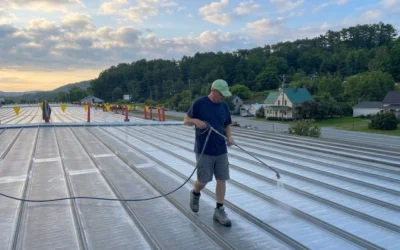
Metal roofs can also work well with solar panels. Some metal roofing systems support specialized mounting methods that reduce or avoid roof penetrations, depending on the panel system and metal profile.
Tile roofs may need more specialized installation methods because tiles can crack if handled incorrectly. Flat and low-slope roofing systems also require mounting solutions that suit the membrane or roof covering.
Before choosing a solar system, homeowners should confirm that the proposed mounting method matches their roofing material and preserves the roof’s water protection.
Why Does Roof Condition Matter Before Solar Installation?
Solar panels are built to stay installed for many years. Installing them on a roof that already needs major repairs can create extra work and expense later.
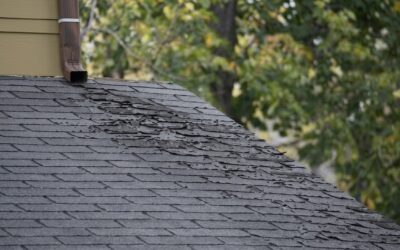
If the roof has leaks, damaged shingles, loose flashing, or widespread deterioration, those issues should be assessed before installation begins. Repairing or replacing the roof beforehand may help avoid removing panels for roofing work in the near future.
Modern Roofing USA offers roof inspections and assessments that can help homeowners understand the condition of their roofing system. An inspection can identify visible concerns and help clarify whether repair or replacement should be discussed before solar installation.
The roofing contractor and solar installer should coordinate when work on the roof is needed. Each professional has a different role, and both need to understand the proposed installation.
What Features Can Limit Solar Panel Placement?
Even a suitable roof design may have areas that are not practical for panels. The usable surface matters more than the roof’s total size.
Common limitations include:
- Shade: Trees and nearby structures can reduce sunlight reaching panels.
- Chimneys and vents: These features take up space and may cast shadows.
- Roof valleys: Angled sections can limit panel arrangement.
- Limited open space: Small roof sections may not fit the desired number of panels.
- Roof damage: Repairs may be needed before mounting equipment is installed.
- Access requirements: Installers need safe working space and room to maintain the system.
These conditions do not always rule out solar panels. They simply affect the layout, system size, or installation approach.
How Can Homeowners Choose the Right Roof Design for Solar Panels?
Homeowners planning a new roof can discuss solar readiness before selecting the final design and roofing materials. This can help align the roof layout with future energy plans.
Useful questions include:
- Does the roof have enough unshaded space for the intended system?
- Which roof slopes receive the strongest sunlight?
- Is the existing roof in suitable condition?
- Will vents, chimneys, or valleys restrict panel placement?
- Does the selected roofing material support an appropriate mounting system?
- Can the roof accommodate the expected equipment and installation requirements?
For homeowners searching for a roofing company in Greenwood SC, it can be helpful to ask about roof condition, repair needs, and preparation before arranging solar panel installation. The solar installer should separately assess system size, sunlight exposure, electrical requirements, and mounting options.
Can an Existing Roof Support Solar Panel Installation?
Yes. A suitable existing roof may need only an assessment and minor repairs before solar installation. The work required depends on its age, materials, condition, and the proposed mounting system.
A roof with damaged shingles, deteriorated flashing, or active leaks should be assessed before panels are installed. If replacement is already approaching, completing that work first may prevent the expense of removing and reinstalling panels later.
Homeowners should also ask about warranty conditions. Roofing and solar equipment may have separate warranties, and installation methods can affect the terms. Confirming requirements before work begins can help avoid confusion later.
What Should Homeowners Remember About Roof Designs and Solar Panels?
Gable, hip, and flat roofs can all work with solar panels when the design, sunlight exposure, roof condition, and mounting system are suitable. Roof direction and slope matter, but they are only part of the decision.
A good plan starts with checking the usable roof area, identifying shade, reviewing the roofing material, and confirming that the structure is ready for installation. When a new roof is needed, coordinating roofing work with solar planning can also help avoid unnecessary future work.
Modern Roofing USA can assess visible roofing conditions and explain repair or replacement options when concerns appear. A qualified solar installer can then evaluate panel placement and system requirements for the property.
Final Thoughts
The best roof design for solar panels is one that combines suitable sunlight, enough usable space, sound roofing materials, and a mounting system that fits the structure. A roof’s shape can influence the layout, but careful planning matters more than choosing one style based on appearance alone.
Modern Roofing USA Reviews can offer another source of customer feedback when homeowners research roofing work. Pairing that research with a roof assessment and a solar installation evaluation can help homeowners plan a system that suits their home and long-term energy goals.