
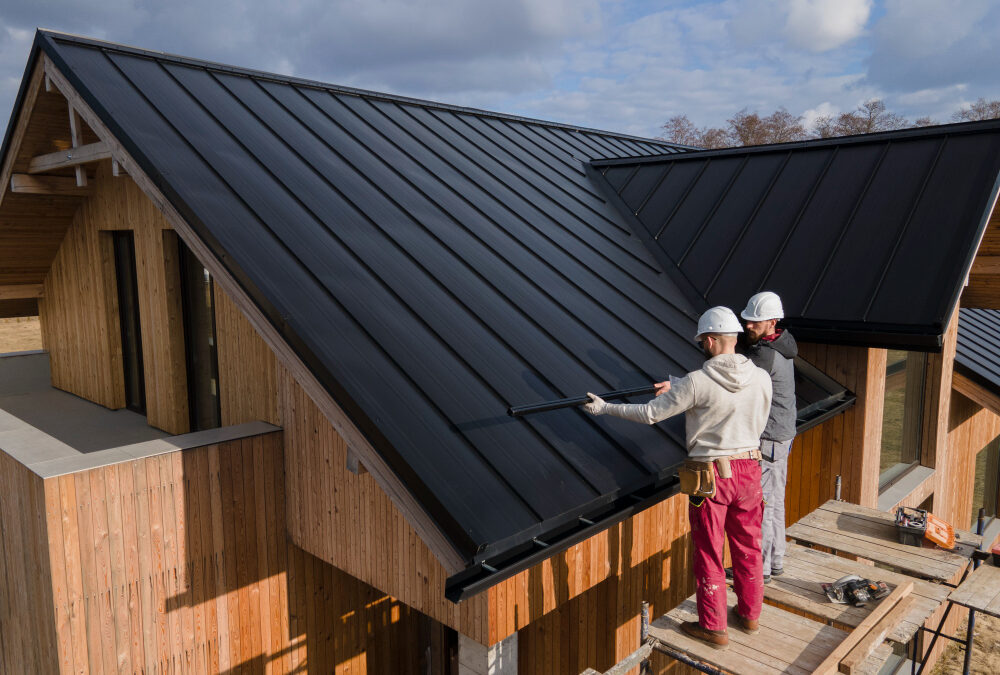
Your roof is your home’s first line of defense against the elements. It protects your family, belongings, and property from rain, wind, hail, and extreme temperatures. However, like every part of your home, a roof has a limited lifespan. Over time, exposure to weather and natural aging can cause deterioration that affects its performance.
Knowing when it’s time for a roof replacement can help you avoid costly repairs, water damage, and unexpected emergencies. While some roofing issues can be fixed with repairs, others indicate that a full replacement may be the most practical and cost-effective solution.
In this guide, we’ll discuss the most common signs that your roof may need replacement and why acting early can save you money in the long run.
Why Roof Replacement Matters
Many homeowners delay roof replacement because the roof appears fine from the ground. Unfortunately, hidden damage can develop over time and compromise your home’s protection.
A failing roof can lead to:
- Water leaks and interior damage
- Mold and mildew growth
- Increased energy costs
- Structural deterioration
- Reduced property value
Replacing an aging roof before major problems occur helps protect your investment and provides peace of mind.
Consider the Age of Your Roof
One of the easiest ways to determine whether a roof replacement may be necessary is to consider the roof’s age.
Different roofing materials have different life expectancies:
- Asphalt shingles: 20–30 years
- Metal roofing: 40–70 years
- Tile roofing: 50+ years
- Slate roofing: 75+ years
If your asphalt shingle roof is approaching or exceeding its expected lifespan, it may be time to schedule a professional inspection, even if there are no obvious signs of damage.
Missing or Damaged Shingles
Shingles play a critical role in protecting your roof from moisture and weather damage. When shingles become damaged or go missing, the underlying roofing components become vulnerable.
Common warning signs include:
- Missing shingles
- Cracked shingles
- Curling edges
- Buckling or warping
- Loose roofing materials
A few damaged shingles can often be repaired. However, widespread deterioration across the roof typically indicates that replacement is the better long-term solution.
Granules Accumulating in Gutters
Asphalt shingles are coated with protective granules that shield them from UV rays and weather exposure.
Over time, these granules naturally wear away. If you notice excessive amounts of granules collecting in your gutters or downspouts, it may indicate that your shingles are reaching the end of their useful life.
Granule loss reduces the roof’s ability to protect against sunlight and moisture, accelerating deterioration.
Frequent Roof Leaks
Occasional leaks may be repairable, especially when caused by isolated issues such as damaged flashing or storm damage.
However, recurring leaks in multiple areas often signal more extensive roofing problems.
Watch for:
- Water stains on ceilings
- Damp attic insulation
- Mold growth
- Peeling paint
- Visible water intrusion
If leaks continue despite repeated repairs, it may be time to consider roof replacement services from Modern Roofing USA to protect your home and avoid ongoing repair costs.
Sagging Roof Areas
A sagging roof should never be ignored.
Roof sagging can indicate serious structural issues, including:
- Moisture damage
- Rotting roof decking
- Compromised support structures
- Long-term water infiltration
If any section of your roof appears uneven or droops noticeably, contact a professional roofing contractor immediately for an inspection.
Storm Damage Has Become Extensive
Severe weather can significantly shorten a roof’s lifespan.
Common storm-related damage includes:
- Hail impacts
- Wind-lifted shingles
- Fallen tree branches
- Flashing damage
- Water intrusion
While minor storm damage can often be repaired, widespread damage across multiple roof sections may justify a full replacement.
A professional inspection can determine whether repairs or replacement will provide the best long-term value.
Rising Energy Bills
Many homeowners don’t realize that an aging roof can affect energy efficiency.
As roofing materials deteriorate, ventilation and insulation performance can suffer. This allows conditioned air to escape and outdoor temperatures to affect indoor comfort more easily.
Signs include:
- Higher heating costs during winter
- Increased cooling costs during summer
- Uneven indoor temperatures
A new roofing system can improve energy efficiency and help reduce utility expenses over time.
Moss, Mold, and Algae Growth
While some roof discoloration is cosmetic, excessive moss, mold, or algae growth can indicate moisture retention.
Persistent moisture can accelerate roofing deterioration and eventually lead to structural damage.
If biological growth is widespread and accompanied by aging shingles, replacement may be recommended rather than repeated cleaning treatments.
Daylight Visible in the Attic
Your attic can reveal hidden roofing issues.
During daylight hours, inspect the attic and look for:
- Beams of sunlight entering through the roof
- Water stains on decking
- Damp insulation
- Signs of mold growth
If daylight is visible through the roof structure, moisture can likely enter as well. This often indicates that roofing materials have deteriorated beyond simple repair.
Repairs Are Becoming More Frequent
Many homeowners continue investing in repairs year after year without realizing they may be spending more than necessary.
If you find yourself repeatedly addressing:
- Leaks
- Missing shingles
- Flashing issues
- Storm damage
It may be more economical to invest in a full roof replacement rather than ongoing repairs.
A new roof eliminates recurring issues and often comes with warranty protection for added confidence.
Benefits of Replacing Your Roof
Replacing your roof offers several advantages beyond preventing leaks.
A new roof can:
- Improve curb appeal
- Increase property value
- Enhance energy efficiency
- Provide better weather protection
- Reduce maintenance expenses
- Offer long-term peace of mind
For many homeowners, roof replacement is one of the most valuable home improvement investments they can make.
Schedule a Professional Roof Inspection
The best way to determine whether your roof needs replacement is through a professional inspection.
Experienced roofing contractors can evaluate:
- Roof age and condition
- Structural integrity
- Storm damage
- Ventilation performance
- Remaining lifespan
An inspection provides the information needed to make an informed decision about repairs versus replacement.
Final Thoughts
Recognizing the signs of roof failure early can help you avoid expensive repairs and protect your home from serious damage. Missing shingles, recurring leaks, sagging areas, granule loss, and an aging roofing system are all indicators that it may be time for a roof replacement.
If you’re unsure about the condition of your roof, the team at Modern Roofing can help. Our experienced professionals provide thorough roof inspections and honest recommendations to help homeowners make confident decisions about protecting their homes for years to come.